

The functional components of licorice mainly include glycyrrhizic acid, licorice flavonoids and glycyrrhizin. These components endow it with multiple physiological activities. For instance, it can be used as a natural sweetener, rich in antioxidant raw materials and antibacterial ingredients, and also as a flavor enhancer and foaming agent. It is a beneficial health care raw material for products.
Due to the continuous increase in people's demand for healthy and functional foods, it is of great significance to conduct in-depth research on the application of licorice extract in food. In addition, with the growth of consumers' demand for natural and healthy foods, licorice extract, due to its antioxidant, antibacterial and sweet-enhanced properties, has also been widely used in meat products, beverages, confectionery, health foods and other fields.
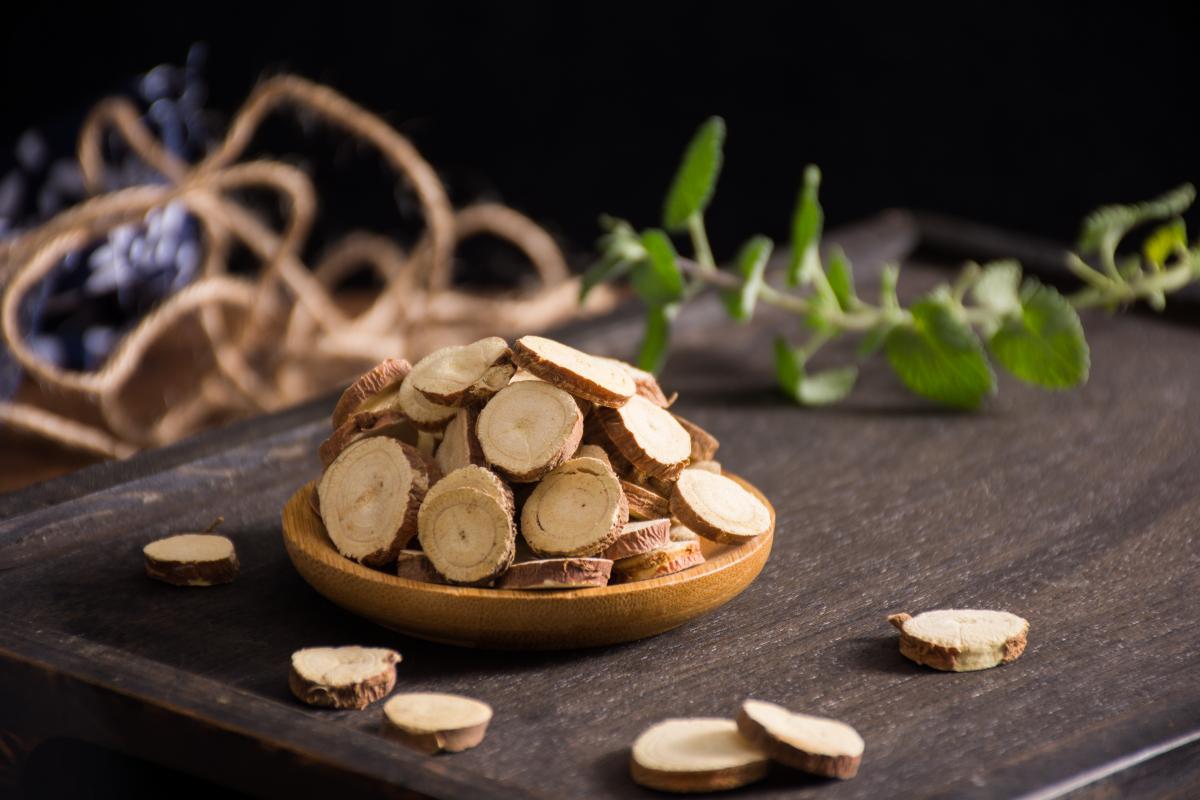
The application of Licorice extract in traditional food processing
1.Meat product and egg processing
Anti-corrosion and preservation: Licorice extract can inhibit the growth of spoilage bacteria in meat products, such as extending the shelf life of Western-style ham by more than 30%.
Flavor enhancement: In the processing of salted fish, soaking in licorice liquid can endow the product with a complex flavor of "fragrant, sweet, salty and sour". After adding licorice to lead-free preserved eggs, not only is the fishy smell removed and the freshness enhanced, but it also has the effect of refreshing the mind and strengthening the brain.
2. Beverages and candies
Low-sugar beverages: The combination of glycyrrhizic acid and erythritol, etc., can develop low-calorie drinks. For example, a certain company in Ireland uses ammoniated licorice saponins to improve the sweetness of beverages.
Functional candies: Licorice extract is used in products such as chewing gum and ginger candy, and it also has the effect of moistening the throat and relieving cough.
3. Upgrading of traditional food
Health soy sauce: Low-salt licorice soy sauce reduces sodium content by adding licorice polysaccharides while retaining antioxidant functions, making it suitable for people with hypertension to consume.
Snack: After being cooked and baked, licorice melon seeds are crispy and delicious, and have a cough-relieving effect. Products such as licorice preserved plums and preserved fruits replace artificial additives with natural sweetness.
4. Baked goods
Bread: In bread-making, licorice extract can serve as a natural improver. Glycyrrhizin can increase the extensibility and elasticity of dough, making the volume of bread larger and the texture softer. Meanwhile, it can also endow bread with a unique flavor.
For pastries, the color contribution and flavor enhancement effect of licorice extract are very obvious. Adding an appropriate amount of licorice extract to traditional pastries such as mung bean cake and osmanthus cake can enhance the quality of the products.
The application of Licorice extract in New functional foods
1.Health food
Immune regulation: Due to the anti-inflammatory and antioxidant properties of licorice extract, it is applied in some immune regulation health foods. For instance, in health capsules or oral liquids containing multiple herbal ingredients, licorice extract can work in synergy with other components to enhance the body's immunity.
Intestinal health: Research shows that licorice extract has a certain regulatory effect on the intestinal flora. It can promote the growth of beneficial bacteria and inhibit the reproduction of harmful bacteria, thereby helping to maintain intestinal health. Some probiotic supplements based on plant extracts have also begun to add licorice extract.
2. Special medical purpose foods
Diabetic foods: Glycyrrhizin, as a low-calorie sweetener, has great application prospects in diabetes-specific foods. Such as diabetic biscuits, pastries, etc., can meet patients' demand for sweetness while avoiding a sharp increase in blood sugar.
Enteral nutrition preparations: Adding licorice extract to enteral nutrition preparations can improve the flavor of the preparations and increase the acceptance of patients. Meanwhile, its physiological functions are also conducive to the recovery of patients.
Safety Issues and Solutions in the Application of Licorice Extract
1. Security issues
Hormone-like effects: Glycyrrhizic acid has certain hormone-like effects. If consumed in large quantities over a long period of time, it may have an impact on the human endocrine system.
Risk of excessive heavy metals: The soil environment in which licorice grows may cause it to absorb a certain amount of heavy metals. If the extraction process is improper, there may be excessive heavy metals in the licorice extract.
2. Solutions
Strictly control the dosage: In food applications, the dosage of licorice extract should be strictly controlled in accordance with relevant standards and research results to avoid health risks caused by excessive intake.
Optimize the extraction process: Advanced extraction techniques, such as supercritical fluid extraction, can effectively remove heavy metal impurities from licorice extract and enhance the safety of the product.
Licorice extract, as natural, safe and feature-rich food additives, has great application potential in the food industry and has made remarkable progress, becoming an important driving force for the transformation and upgrading of the food industry. At present, licorice extract not only continuously expands and deepens its application in traditional foods, but also shows great potential in the field of new functional foods. However, during the application process, attention should also be paid to its safety issues. Through measures such as scientific dosage control and optimized extraction processes, the health of consumers can be guaranteed.