

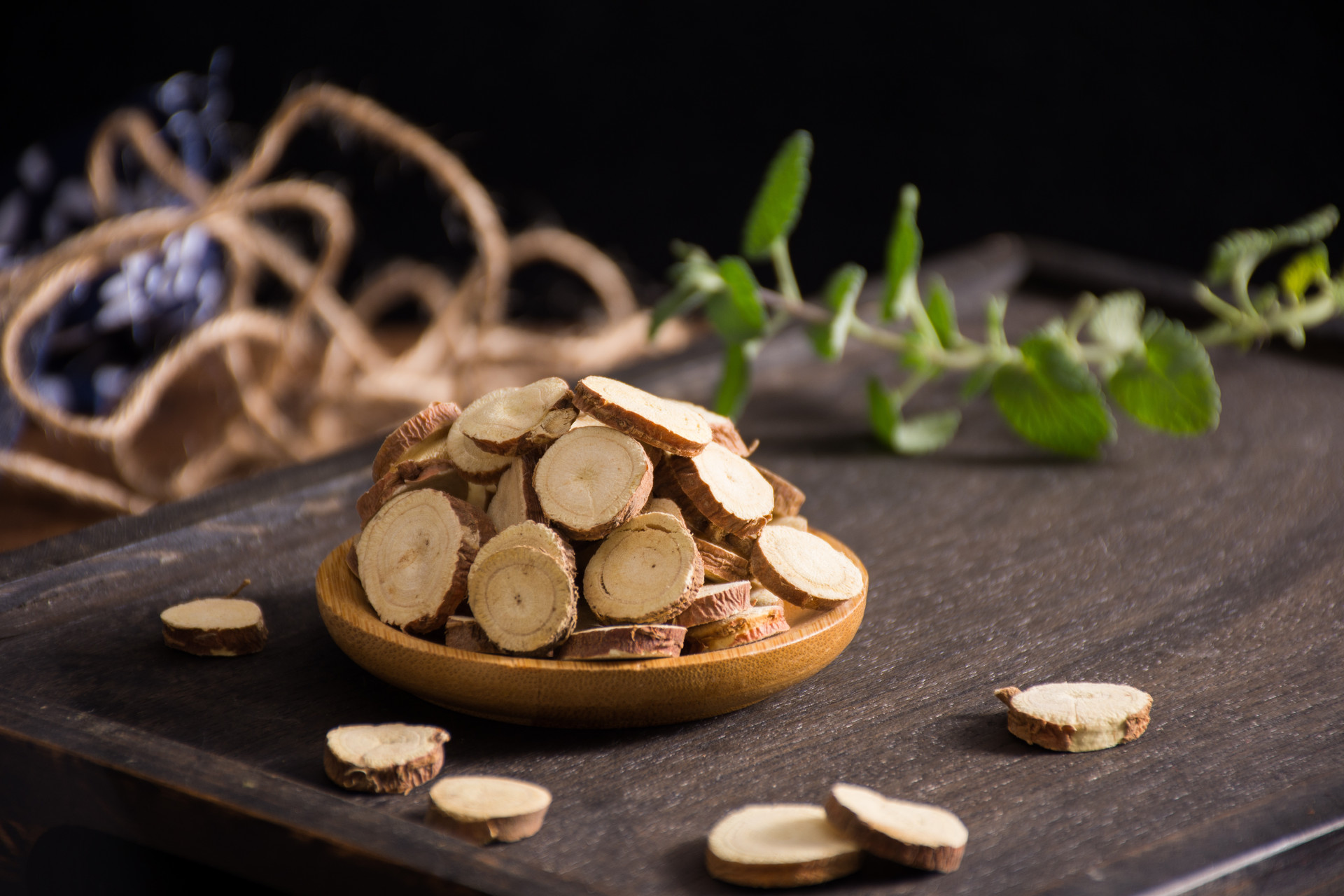
Due to the continuous increase in people's demand for healthy and functional foods, it is of great significance to conduct in-depth research on the application of licorice extract in food. In addition, with the growth of consumers' demand for natural and healthy foods, licorice extract, due to its anti-oxidant raw material, antibacterial ingredients and sweet-enhanced properties, has also been widely used in meat products, beverages, confectionery, health foods and other fields.
The main component of licorice extract
Licorice is both a food and a traditional Chinese medicinal substance. In recent years, it has been widely used as food additives. Licorice extract contains a variety of active ingredients, such as glycyrrhizic acid, licorice flavonoids, glycyrrhizin, etc. These components endow it with unique flavor, color and multiple functional properties.
Glycyrrhizic acid
Chemical structure: Glycyrrhizic acid is a triterpene compound with a special pentacyclic structure. It can form micelles in aqueous solution, and this property gives it a certain emulsifying ability.
Physiological functions: Glycyrrhizic acid has anti-inflammatory and antiviral effects. In food, it can serve as a natural preservative to inhibit the growth of microorganisms. For instance, in some acidic foods such as yogurt, glycyrrhizic acid can reduce the activity of microorganisms and extend the shelf life of the product.
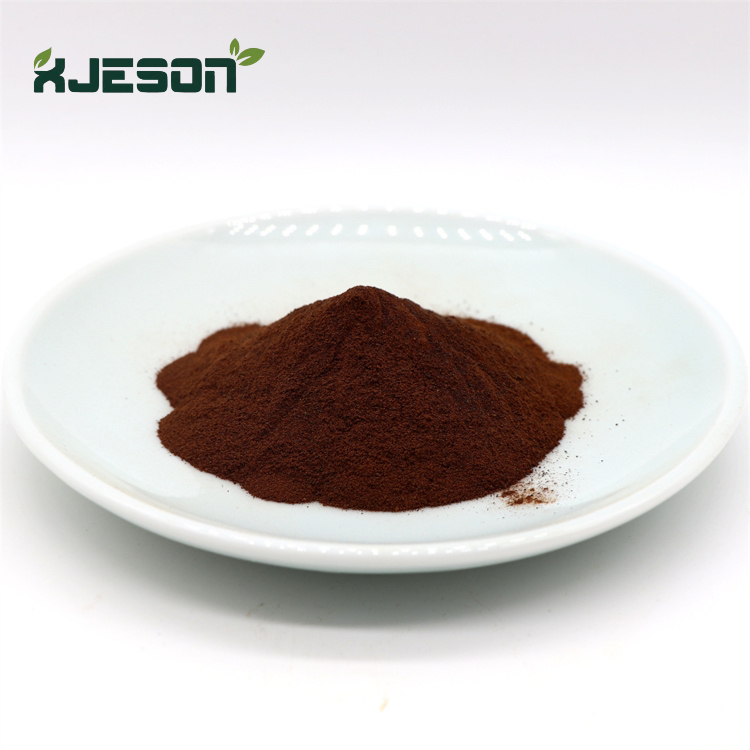
2. Licorice flavonoids
Rich variety: Glycyrrhiza flavonoids include various components such as glycyrrhizin and isobrrhizin. They have the ability to resist oxidation and eliminate free radicals.
Color contribution: Licorice flavonoids can endow food with a certain color. In the production of some pastries and candies, an appropriate amount of licorice flavonoids can give the products an attractive golden yellow or light brown color.
3. Glycyrrhizin
High sweetness: Glycyrrhizin is a natural sweetener, with a sweetness approximately 50 to 150 times that of sucrose. However, it has relatively low calories and is suitable for special groups such as diabetic patients to consume.
Taste improvement: Adding glycyrrhizin to food can enhance the taste of the product and add layers of flavor.
The main functions of licorice extract
The functional components of licorice mainly include glycyrrhizic acid, glycyrrhizin flavonoids and glycyrrhizin, which endow it with multiple physiological activities:
Natural sweetener
Glycyrrhizic acid is the main source of the sweetness of licorice and has a synergistic effect. For example, when compounded with sucrose, it can reduce the amount of sugar used and is suitable for the development of low-sugar or sugar-free foods. In addition, ammonium glycyrrhizinate is recognized as a safe sweetener in the European Union, the United States and China, and is widely used in beverages, confectionery and baked goods.
2. Antioxidant and antibacterial
Glycyrrhiza flavonoids and polysaccharides have significant antioxidant capacity. Studies show that licorice extract can eliminate free radicals, inhibit lipid oxidation and extend the shelf life of food. For instance, adding 0.1% licorice extract to minced pork can significantly inhibit oxidative rancidity. In addition, the antibacterial effect of licorice is also prominent. For instance, the minimum inhibitory concentration (MIC) of glycyrrhizic acid against common foodborne pathogenic bacteria such as Staphylococcus aureus and Escherichia coli is 1.56 to 25 μg/mL, and it is used for the preservation and freshness of meat products, such as extending the shelf life of Western-style ham.
3. Flavor enhancers and foaming agents
The flavor components of licorice extract enable it to be used as a flavor enhancer and foaming agent in food. By improving the flavor and texture of food, licorice extract enhances the overall taste and quality of food.
4. Health care material
Licorice extract has the effects of anti-inflammation, liver protection and enhancing immunity. Animal experiments have shown that continuous intake of licorice extract can improve metabolic disorders in rats on a high-fat diet and repair drug-damaged memory function in mice. These characteristics make it highly favored in the development of functional foods.
Licorice extract, as a natural, safe and feature-rich food additive, has great application potential in the food industry and has made remarkable progress, becoming an important driving force for the transformation and upgrading of the food industry. At present, licorice extract not only continuously expands and deepens its application in traditional foods, but also shows great potential in the field of new functional foods. However, during the application process, attention should also be paid to its safety issues. Through measures such as scientific dosage control and optimized extraction processes, the health of consumers can be guaranteed.
With the breakthroughs in scientific research technology and the improvement of consumers' awareness, it is believed that licorice extract will play a more important role in the future food industry, promoting the leap of licorice extract from "traditional medicinal use" to "modern food enjoyment", and providing consumers with more delicious and healthy food choices.