

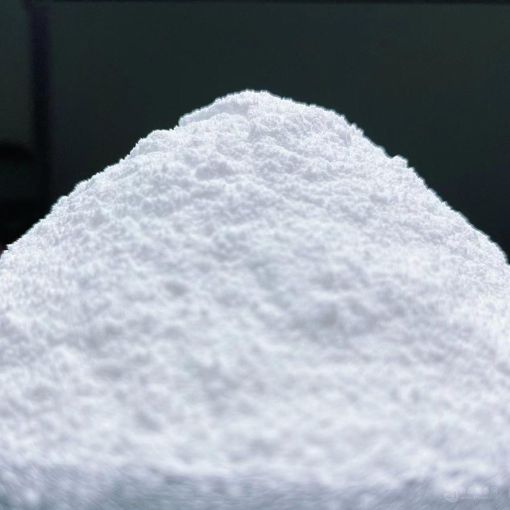
Sorbitol is a food additive produced by sorbitol liquid through concentration, drying, sieving and other processes.
Sensory indicators: white powder, flakes, or particles with hygroscopic properties.
The efficacy of sorbitol
Sorbitol is hygroscopic in the food industry. Therefore, adding sorbitol to food can prevent it from cracking and keep it fresh and soft. It has a significant effect when used in bread and cakes.
Sorbitol has a lower sweetness than sucrose and is not utilized by certain bacteria. It is a good raw material for producing sweet candies and pastries, and also an important raw material for producing sugar-free candies. It can be processed into various foods that prevent tooth decay. It can be used to produce sugar-free food, weight loss food, anti-constipation food, anti-caries food, food for diabetics, etc.
Sorbitol contains Anti-oxidant Raw Material with no aldehyde group, is not easily oxidized, and does not undergo Maillard reaction with amino acids when heated. It has certain physiological activities and can prevent the denaturation of carotenoids, edible fats and proteins.
Sorbitol has excellent preservative, aroma retention, color retention and moisture retention properties, and is known as the "glycerol substitute". It can help toothpaste, cosmetics, tobacco, aquatic products, food and other products retain moisture, aroma, color and freshness. Almost all fields that use glycerol or propylene glycol can be replaced by sorbitol, and even better results can be achieved.
Application in food
Sorbitol has a refreshing sweet taste and can be used as a sweetener. Its sweetness is equivalent to 60% of sucrose, and it has the same calorie value as sugar. Moreover, it is metabolized more slowly than sugar and is mostly converted into fructose in the liver, which does not cause diabetes. Sorbitol can be used as food additives in ice cream, chocolate and chewing gum instead of sugar to achieve the effect of weight loss. Sorbitol can be used as a raw material for the production of vitamin C. Vitamin C can be obtained through fermentation and chemical synthesis. China's toothpaste industry has begun to use sorbitol instead of glycerin, with an addition rate of 5% to 8%(16% in foreign countries).
In the production of baked goods, sorbitol contains Moisturizing Raw Materials and preservative effects, thereby extending the shelf life of the food. In addition, sorbitol can also be used as a starch stabilizer, a moisture regulator for fruits, a flavor preservative, an antioxidant and a preservative, etc. It is also commonly used as sugar-free chewing gum, a flavoring agent for alcoholic beverages, and a food sweetener for diabetic patients, etc.