

What is stevia polyphenol?
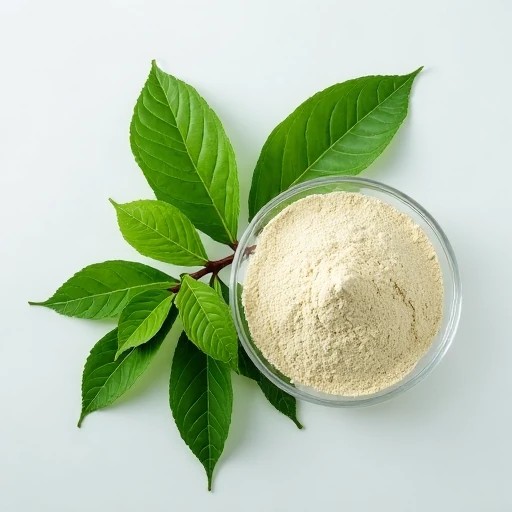
As a by-product in the extraction process of stevioside, stevia polyphenol has a significant difference in sweetness characteristics from the main product. Although this type of natural phenolic substance has a sensory characteristic of about 30-50 times the sweetness of sucrose, as a mixed flavoring substance (including bitter taste precursors), its actual sweetness threshold is much lower than that of stevioside with a purity of ≥95%. From an energetic perspective, stevia polyphenols exhibit typical low energy density characteristics, with a total energy value of about 1.2-2.3kcal/g. Therefore, it can be used in foods that require reduced sugar and calories.
Health benefits of stevia polyphenols
Stevia polyphenols are byproduct resources in the industrial extraction process of stevioside, and their content accounts for about 2%-4% of the dry weight. However, the components mainly include active ingredients such as chlorogenic acid, caffeic acid and quercetin. The above components give stevia polyphenols physiological health benefits such as antioxidant, anti-inflammatory, and digestive enzyme inhibition.
(1) Anti-oxidant Raw Material: According to the data, the ORAC (oxygen radical absorbance capacity) value of stevia polyphenols is significantly higher than that of other common antioxidants, which is 1.5 times, 3 times and 5 times that of EGCG, VC and α-tocopherol respectively. The results show that at the same temperature, the inhibitory ability of stevia polyphenols on DPPH (2,2-diphenyl-1-picrylhydrazyl) and its total phenol content remain at about 98% within 12 hours, while the inhibitory ability of VC on DPPH is completely lost within 2 hours.
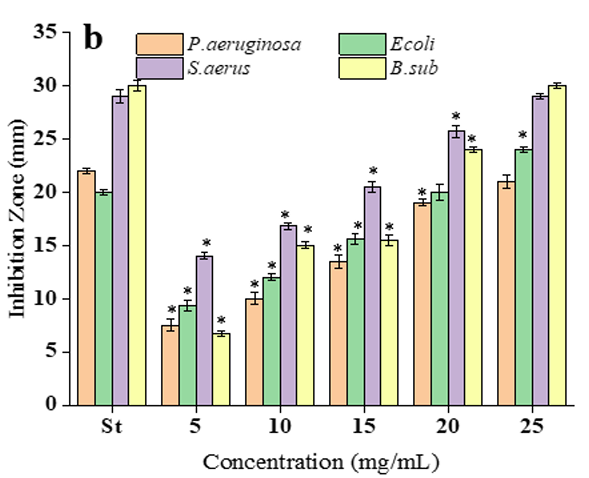
(2) Antibacterial ingredients: Stevia polyphenols have stronger antibacterial activity against Escherichia coli, Staphylococcus aureus, Pseudomonas aeruginosa and Bacillus subtilis than against Malassezia and Aspergillus niger. The MIC range for bacteria is 1.67-3.33 mg/mL, and the MIC range for fungi is 6.67-13.3 mg/mL.
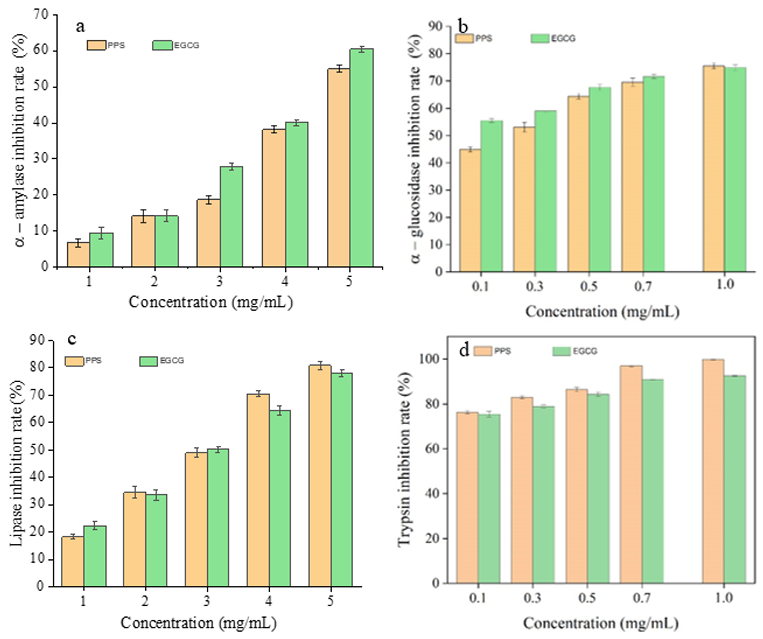
(3) Inhibition of digestive enzymes: Stevia polyphenols inhibit α-amylase, α-glucosidase, lipase, and trypsin by 60%, 80%, and 90%, respectively. Experiments have verified that feeding 50 mg/kg of stevia polyphenols has a significant effect on reducing the body weight of obese rats, reducing the fasting blood sugar level of high-fat obese rats, and improving liver and muscle glycogen levels. This shows that stevia polyphenols can help fight obesity and may reduce the risk of type 2 diabetes.
Stevia polyphenols can rely on the dual advantages of "natural ingredients + precise mechanism" to achieve upgrades from raw materials to brands in the weight management track through functional compounding, dosage form innovation and digital health linkage. It is recommended to focus on the trend of meal replacement snacks and scene segmentation, and strengthen clinical data support.