

What is citric acid?
Citric acid is also known as citric acid. Its chemical name is 2-hydroxy-isopropyltricarboxylic acid. Its molecular formula is C6H8O7. It often contains one molecule of crystal water. It has a strong sour taste and is easily soluble in water. Its melting point is 153℃ and its boiling point is 175℃.
It is a colorless crystal or white powder with a strong sour taste and solubility. It exists naturally in citrus fruits such as lemons, oranges, and grapefruits, and can also be artificially synthesized by chemical methods. Citric acid is not only a commonly used acidulant, preservative and antioxidant in the food industry, but also has a wide range of application value in many fields such as medicine and cosmetics.
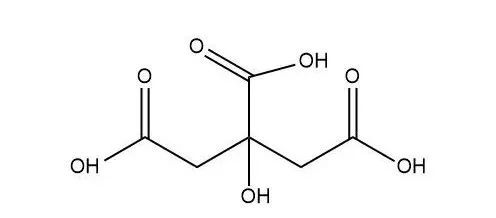
Citric acid contains both carboxyl and hydroxyl groups, so it has the dual properties of acid and alcohol; it is both α-hydroxy acid and β-hydroxy acid, so it has the characteristics of both α- and β-hydroxy acids.
According to the requirements of the "Technical Specifications for Safety of Cosmetics", the maximum amount of α-hydroxy acids and their salts used in the formula shall not exceed 6% (in acid terms), and the pH shall be ≥3.5 (except for rinse-off hair products). If used in non-sunscreen skin care cosmetics, and the content is ≥3%, α-hydroxy acid or when α-hydroxy acid is claimed on the label, it should be indicated that "it is used with sunscreen cosmetics".
The role of citric acid in cosmetics
Promotes keratin renewal
As a fruit acid, citric acid has a small molecular structure that can penetrate deep into the skin and promote the shedding and renewal of keratin cells. This feature makes citric acid widely used in anti-aging, whitening, exfoliating and other skin care products. By removing old and dead keratin cells on the surface of the skin, citric acid helps improve the smoothness and fineness of the skin, reduce pore blockage, and thus reduce the formation of blackheads and acne.
Adjusting pH value
The pH value of cosmetics is crucial for the health of the skin and the stability of the product. Citric acid, as an excellent acidic substance, can be used to adjust the pH value of cosmetics to make it closer to the natural pH value of the skin. This adjustment helps to enhance the permeability and absorbency of the product and improve the skin care effect.
Anti-oxidant raw material
Citric acid has good antioxidant capacity and can neutralize free radicals and reduce their damage to the skin. Free radicals are one of the important factors leading to skin aging. By reducing the accumulation of free radicals, citric acid helps protect the skin from environmental stress and delay the skin aging process.

Cleansing and Decontamination
Citric acid has a certain decontamination ability. When added to cleansing products, it can make cleaning more thorough. It can dissolve oil and dirt on the skin surface without destroying the skin's natural barrier function, making it suitable for gentle and effective cleansing products.
Moisturizing raw materials
Citric acid can also indirectly improve the skin's moisturizing degree by regulating the acid-base balance on the skin surface, creating a more favorable environment for other moisturizing ingredients such as hyaluronic acid. In addition, citric acid can also promote the penetration and absorption of skin care ingredients, making the skin care effect more significant.

Antibacterial ingredients
Citric acid has certain antibacterial properties, which can inhibit the growth of bacteria and reduce the occurrence of facial acne and blackheads.
Application and usage precautions
Although citric acid has many advantages in cosmetics, the following points should be noted during use:
Concentration control: High concentrations of citric acid may cause irritation and sensitivity to the skin, so the concentration needs to be controlled when used. Especially for people with sensitive skin and inflammatory skin, it should be used with caution.
Stability: Citric acid is easily decomposed under heating and pressure, so it is necessary to avoid high temperature and high pressure environment during use and storage.
Compatibility: Citric acid should not be mixed with products containing metal ions because adverse reactions may occur.