

Peptides: Anti-aging "Signal Soldiers"
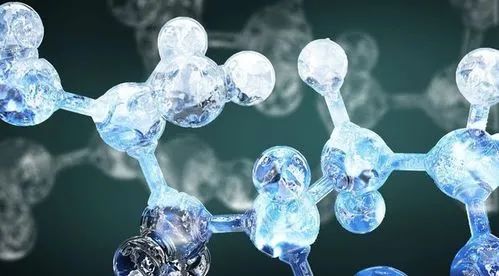
Peptides are compounds composed of 2 to 16 amino acids connected by peptide bonds. They have a small molecular weight and a simple structure, and can penetrate deep into the skin to exert their effects. According to the mechanism of action, peptides can be divided into signal peptides, neurotransmitter inhibitory peptides, and carrier peptides.
Signal peptides: such as acetyl hexapeptide-8 and palmitoyl pentapeptide-3, can promote the synthesis of collagen and elastin, improve the elasticity and firmness of the skin, and reduce fine lines and wrinkles.
Neuronatotransmitter inhibitory peptides: such as acetyl hexapeptide-8 and acetyl octapeptide-3, can relax facial muscles by inhibiting nerves from transmitting muscle contraction information, thereby achieving the effect of smoothing fine lines.
Peptide ingredients have become the star ingredients in anti-aging skin care products due to their high efficiency and low irritation.
Vitamins: Antioxidant "Guardians"
Vitamins are organic substances necessary for maintaining life, among which vitamin A, vitamin E and niacinamide are particularly outstanding in the field of anti-aging.
Vitamin A (retinol): It can promote cell renewal, accelerate collagen synthesis, reduce wrinkles and fine lines, and improve skin texture. Retinol and its derivatives (such as retinal and retinoic acid) are common ingredients in anti-aging skin care products.
Vitamin E: As a powerful antioxidant, it can prevent cell membrane oxidation and delay skin aging. Vitamin E derivatives (such as vitamin E acetate) are widely used in skin care products because of their higher stability.
Growth Factor: A "Booster" for Cell Regeneration
Growth Factor is a type of polypeptide hormone that can regulate cell growth and differentiation. Common growth factors include human epidermal growth factor (hEGF), basic fibroblast growth factor (bFGF), etc. These ingredients can promote the regeneration and repair of skin cells, enhance the elasticity and firmness of the skin, and delay aging.
Acidic ingredients: "scavengers" for skin rejuvenation
Acidic ingredients such as fruit acid and salicylic acid can remove aging cuticles on the skin surface, promote metabolism, and improve problems such as rough and dull skin. Glycolic acid and lactic acid in fruit acid are common ingredients in skin care products, which can effectively promote skin renewal and reduce fine lines and wrinkles.
Other popular anti-aging ingredients
In addition to the above ingredients, there are some other ingredients that have outstanding performance in the field of anti-aging:
Acetyl tetrapeptide-11: It can promote the regeneration and repair of skin cells, increase the synthesis of collagen and elastic fibers, and improve skin elasticity and firmness.
Bakuchiol: It has powerful antioxidant and anti-inflammatory effects, can protect the skin from damage by ultraviolet radiation and pollution, and promote the synthesis of collagen.
Ginseng root water: It is rich in active ingredients such as ginsenosides and polysaccharides, which can tighten the skin, delay aging, and brighten the skin tone.
Ergothioneine: A natural anti-oxidant raw material that can scavenge free radicals and protect cells from damage by oxidative stress. It also has anti-inflammatory and antidepressant effects.
Bosine (hydroxypropyl tetrahydropyrantriol): It can stimulate the regeneration of collagen, improve skin sagging and wrinkles, and is also a powerful moisturizing raw material.
As consumers' demand for highly effective anti-aging, comfortable usage experience and natural and safe ingredients grows, the anti-aging field is undergoing a technological revolution - from the stability improvement of traditional vitamin C and retinol to the widespread application of biotechnology anti-aging ingredients (such as plant stem cells and peptide complexes). The market urgently needs safer, more effective and innovative solutions.