

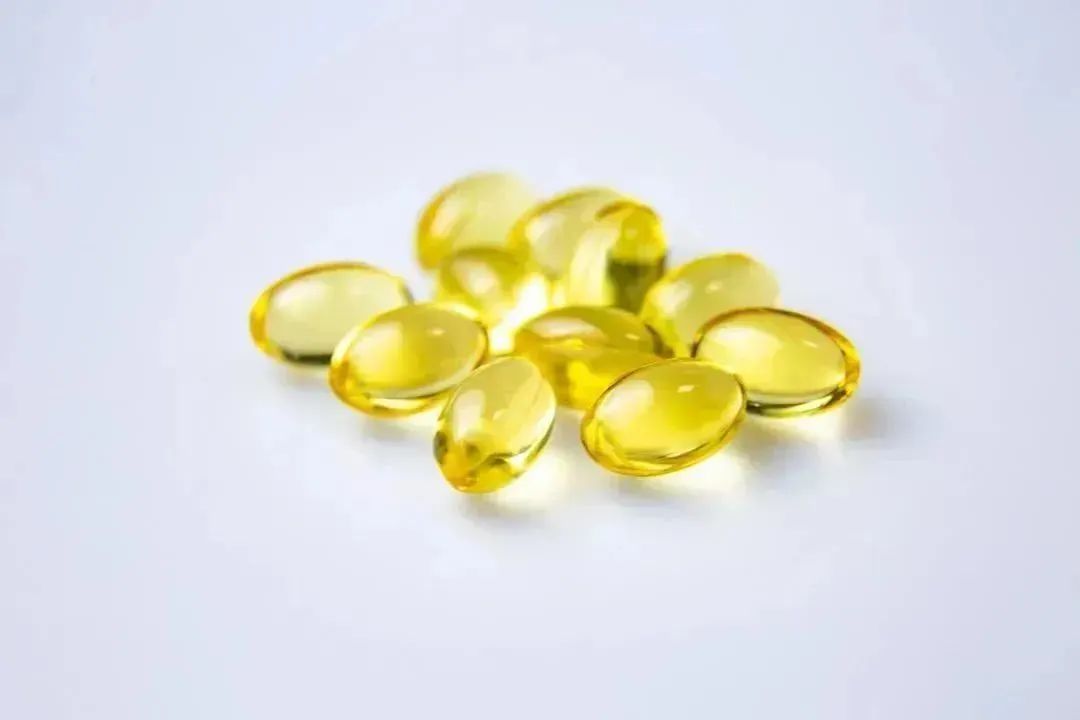
Anti-oxidant Raw Material
It has antioxidant effects in preventing photodamage. Whether it is taken orally or applied externally, VE is a well-known and recognized excellent antioxidant. It can capture free radicals caused by ultraviolet rays and eliminate the effects of free radicals. Therefore, it can inhibit melanin production to a certain extent and prevent photodamage. It can be used as an antioxidant protection in the system and an auxiliary sunscreen for the skin. It is more about reducing darkening rather than directly whitening.
Anti-aging And Anti-wrinkle Raw Materials
Firming and anti-wrinkle effect. As a lipid component, VE can penetrate into the epidermis, inhibit the skin lipid oxidation reaction to the greatest extent, maintain the connection between tissue cells, delay and reduce wrinkles, and make the skin smooth, firm and elastic.
Moisturizing Raw Materials
Retain water, moisturize, and repair the skin. VE has a good sealing and moisturizing effect. Studies on diabetic mice have shown that oxidative stress also affects the healing of diabetic wounds. External use of vitamin E has a significant effect on wound healing. Its water-retaining mechanism is to protect the lipids and proteins in the cell membrane so that they can play a role in binding skin moisture. It should be pointed out that vitamin E does not use a closed water-retaining method like the commonly used water-retaining agents glycerin, propylene glycol, etc., but moisturizes and penetrates from the inside, so the moisturizing effect of vitamin E is better than the above-mentioned moisturizing agents.
It has the function of preventing scars and removing acne marks. The current research on this function of the ingredient is still unclear about its mechanism of action. However, the synergistic effect of the combination of repair*ke CE mentioned above can increase the anti-photodamage effect by about four times. With the addition of ferulic acid, the effect is doubled again. In addition, VC's own whitening and promotion of collagen synthesis, this is a perfect golden CP, which further illustrates that even the best ingredients are not as good as fighting together!
It can prevent the formation of nitrosamines. Cosmetics containing amines or phthalamides are likely to produce nitrosamines and nitrosophthalamide carcinogens if they encounter nitrites. In the cosmetic matrix containing such substances, the use of vitamin water-soluble blockers and free tocopherol fat-soluble blockers is very effective in preventing the formation of nitrosamine carcinogens. In addition, free tocopherol, ascorbate and 2, G-di-tert-butyl-p-cresol also have the above effects.
Finally, in terms of application, VE actually has distinct characteristics and is oil-soluble. Although the amount added to the system is not high and it is also a green leaf role, it has good compatibility and can be said to be a universal match. It is the first to protect the functional ingredients that are afraid of light and easy to oxidize! Although it is not very stable, there are also derivatives such as vitamin E acetate used in cosmetics. Its efficiency is lower than that of VC derivatives, but it has little impact on its value. In the face of the loss of functional ingredients, a stable and effective protective agent is more important.