

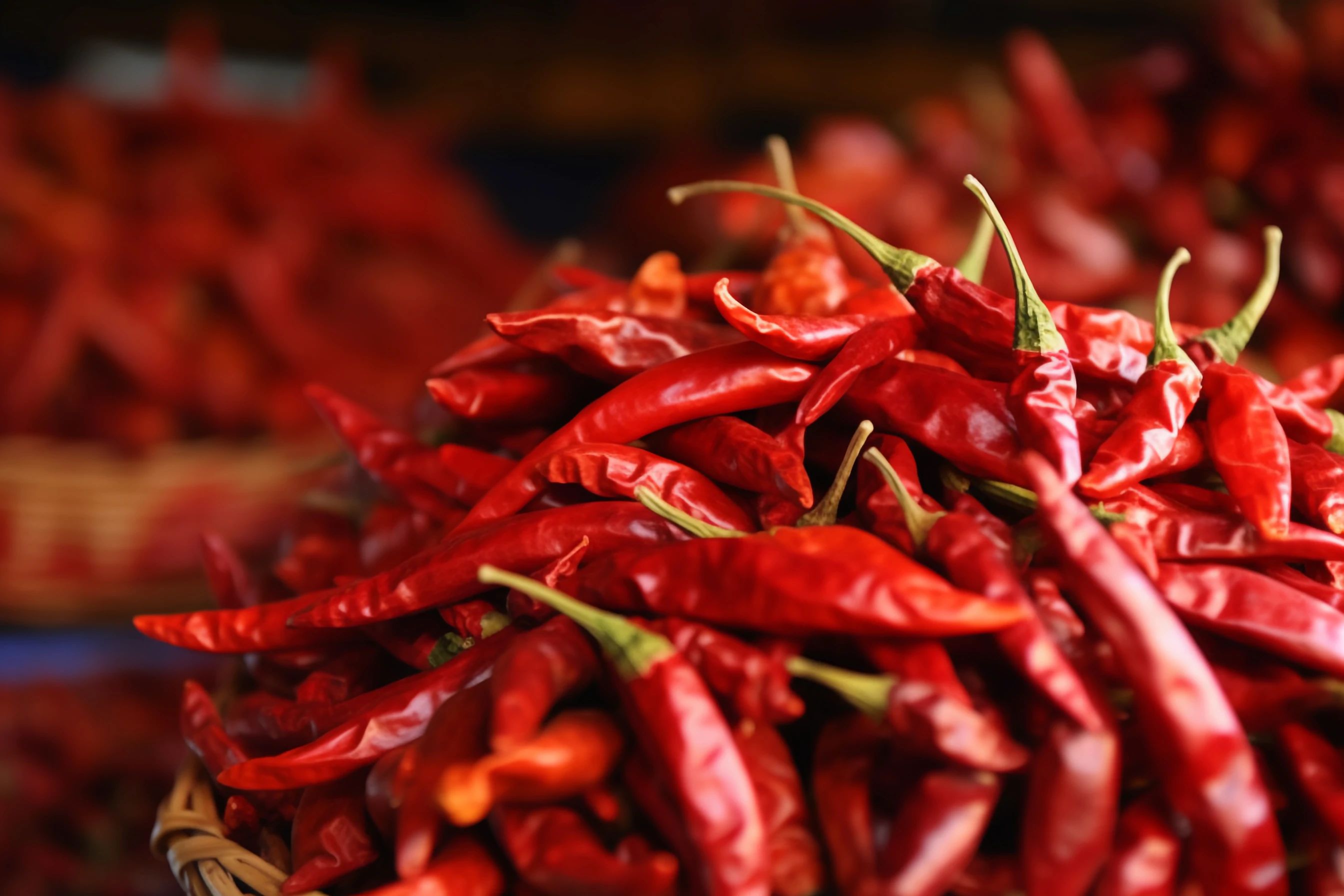
Capsanthin is widely used as a colorant and is listed as a Class A pigment by the Food and Agriculture Organization of the United Nations (FAO) and the World Health Organization (WHO). According to my country's GB 2760-2014 "Standards for the Use of Food Additives", capsanthin can be used in food, sauces, ice cream, popsicles, biscuits, cooked meat and other products.
Capsanthin extraction
The appropriate extraction method can reduce the content of orange and yellow substances and non-pigment components in the pepper pigment, so that capsanthin and capsanthin account for a large proportion and increase the color value. From the current extraction methods of capsanthin, the common ones are solvent extraction, ultrasonic extraction, microwave-assisted extraction and supercritical fluid extraction.
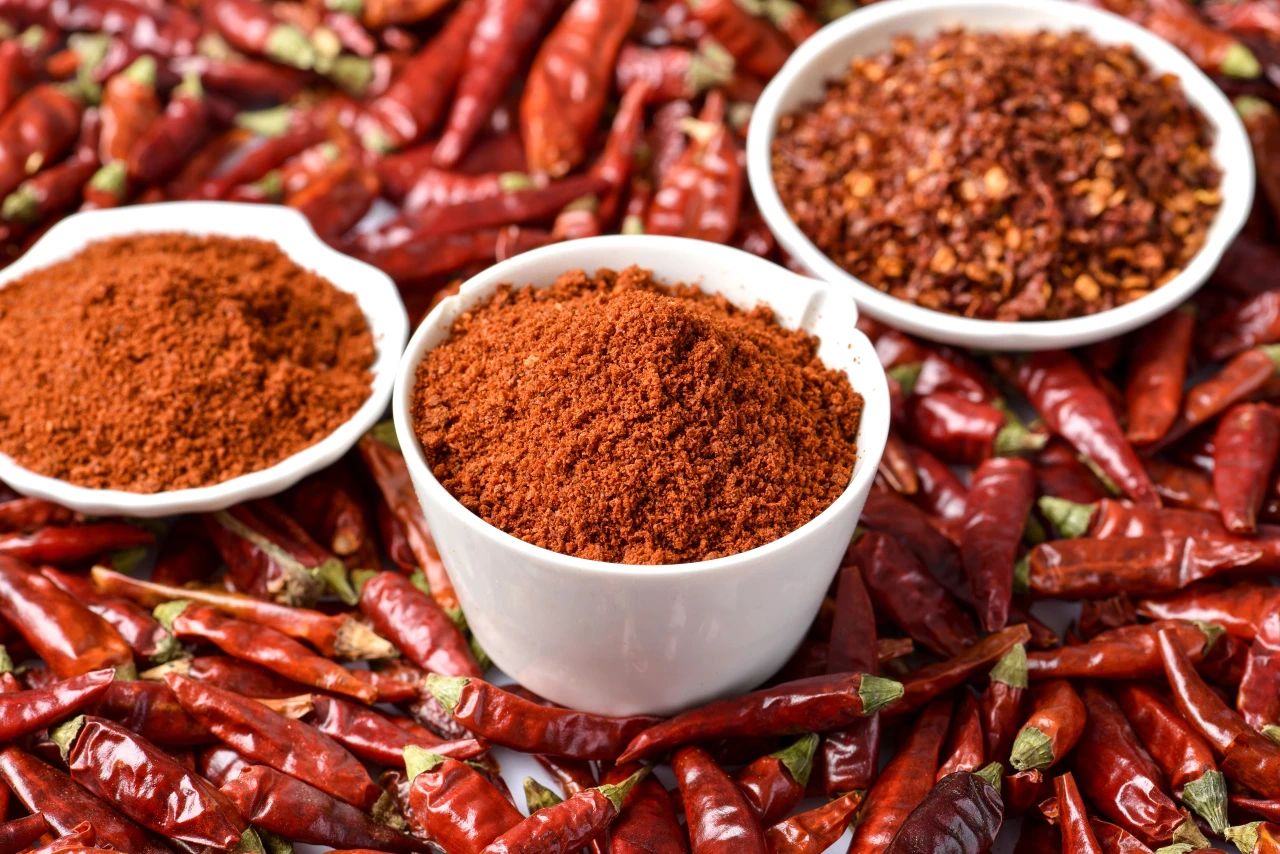
Solvent extraction method
Solvent extraction is a common method for extracting capsanthin, which takes advantage of the fact that capsanthin is soluble in organic solvents. The specific extraction process is to grind the mature dry pepper into powder, then mix it with organic solvents such as ethanol, acetone and other substances to prepare capsanthin oleoresin, and then go through a series of procedures such as distillation and separation to finally obtain capsanthin.
The significant advantage of solvent extraction is that it is low cost and does not require expensive and sophisticated equipment to implement; the disadvantage is that the extracted capsanthin is not pure enough and there are many organic reagents left. At present, most manufacturers of capsanthin at home and abroad use this method for extraction, but it has also shown a trend of being gradually eliminated.
Ultrasonic extraction method
The principle of ultrasonic extraction method is to use ultrasound to crush the pepper more finely, so that the components in the pepper can be better integrated in the extraction solvent, and finally obtain capsanthin with higher purity. Ultrasonic extraction method has similarities with solvent extraction method, but it is faster, more efficient and less costly than solvent extraction method. The most important thing is that it is natural and environmentally friendly, so it is more popular.
Microwave assisted extraction
Microwave assisted extraction, also known as microwave extraction, is a new technology formed by combining microwave and traditional solvent extraction method. Microwave-assisted extraction of capsanthin is low-carbon and environmentally friendly, and has high extraction efficiency.
Supercritical fluid extraction method
Supercritical fluid extraction method uses pressure control and temperature control methods to enhance the dissolution effect of CO2 on peppers, and finally selectively extracts capsanthin. This method can be implemented at room temperature, and there is no solvent residue in this method. The extracted capsanthin has a high purity, which is currently the most ideal method for extracting capsanthin.
Application of Capsanthin
Food additives
As a natural colorant, capsanthin has stable properties, good coloring effect, no toxic side effects, and can supplement the human body's carotenoid compounds. Therefore, the food industry has a strong dependence on capsanthin. Capsanthin is mainly used to improve food color and enhance appetite. It can be used in daily edible products such as meat products, candies, beverages, sauces, and baked products.
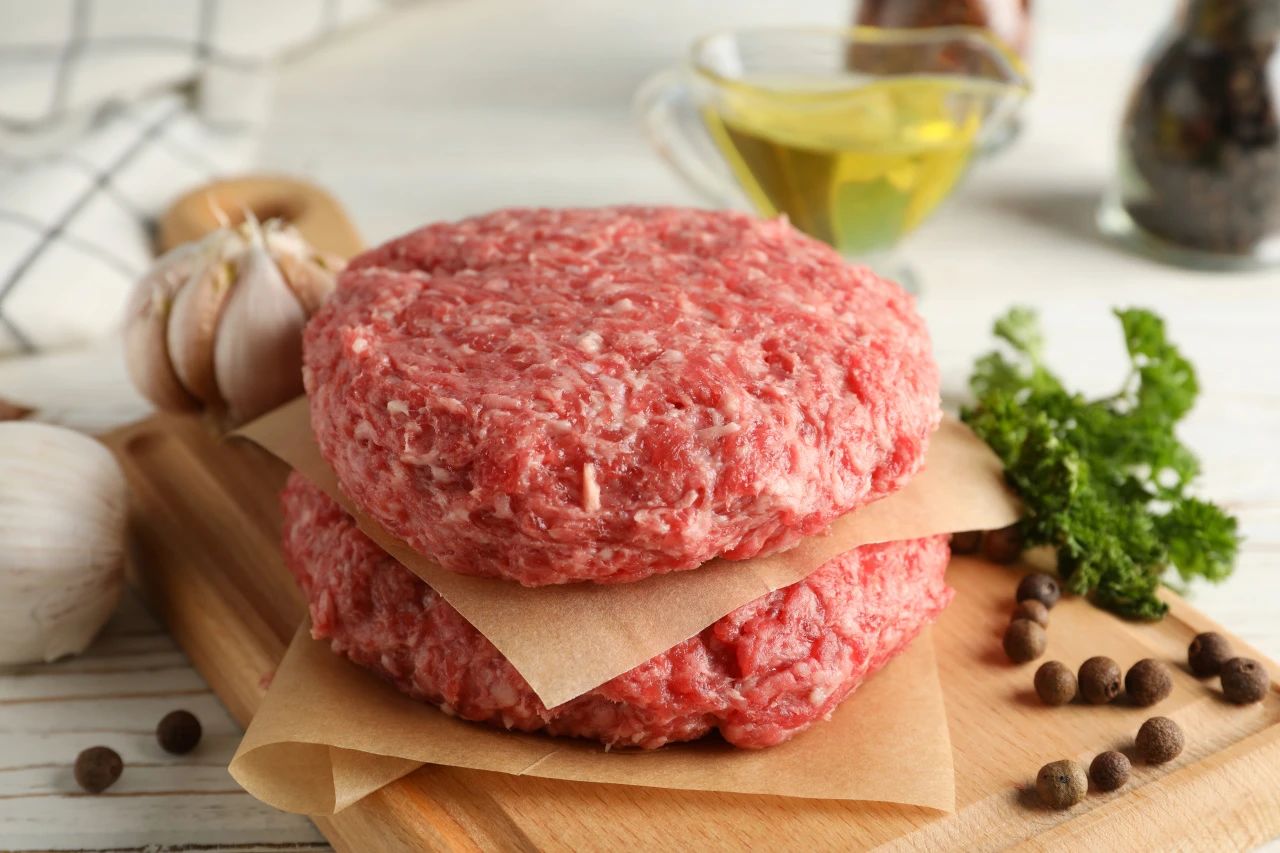
Adding capsanthin to chicken steaks and minced pork to adjust their color and brightness can enhance consumers' visual experience and improve the sensory quality of the product. Adding capsanthin to bionic foods such as crab sticks and shrimp balls can simulate the color of real marine food. However, due to the differences in the characteristics of the product matrix, according to factors such as storage time and temperature, products with added capsanthin need to undergo multiple stability evaluations to ensure constant product quality during the shelf life.
Animal feed field
Animal feed production is also inseparable from capsanthin. There are two main reasons why capsanthin can be used in animal feed: first, capsanthin is a pure natural pigment, safe and stable in coloring; second, animals cannot synthesize pigments themselves, so feed becomes a necessary way for them to supplement pigments. Capsanthin can improve the skin coloring of pigs, cattle, sheep, fish, shrimps, etc., help synthesize pigments, enhance the health of animals, and improve their appearance. Therefore, capsanthin is very popular in animal feed.
Studies have shown that adding 100mg/kg capsanthin to goldfish and koi feed, after a certain period of feeding, the measured surface a* (redness) increased significantly, and the MDA (malondialdehyde) in serum and liver was lower than the control, and it had no effect on animal growth performance. The results show that capsanthin can effectively enhance the redness of fish surface and improve the body's antioxidant capacity.
Pharmaceutical raw materials
Capsanthin has a wide range of uses in the medical field. Because capsanthin has a stable coloring effect and a certain drying effect, it is often used in drug sugar coatings and capsule particles. Especially for children's medication, the bright capsanthin can reduce children's fear of drugs and increase children's interest in taking them. In addition, in recent years, it has been found that carotenoids in capsanthin have the effect of treating arteriosclerosis. This discovery has increased the application value of capsanthin in the medical field.
Cosmetics materials
As a natural pigment with bright colors, capsanthin can be added to lipstick, blush, eye shadow and other products, and can replace synthetic pigments to make products safer. However, as a fat-soluble pigment, capsanthin has a variety of factors that affect its stability. When adding it, it is necessary to consider its form of use and the influence of ingredients on its color.