

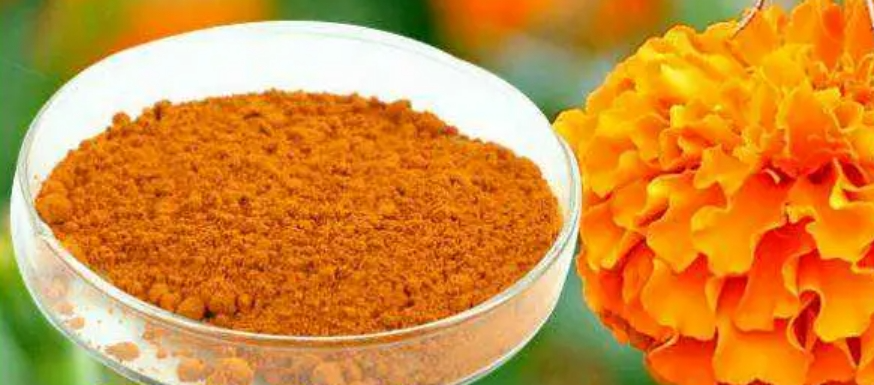
1. Lycopene
Lycopene is the main pigment in red fruits such as tomatoes, watermelons, and pink grapefruits. It not only gives these fruits their bright colors, but also attracts much attention for its powerful antioxidant properties. Studies have shown that lycopene can reduce the risk of cardiovascular disease, fight free radical damage, and protect cells from damage.
2. Carotenoids
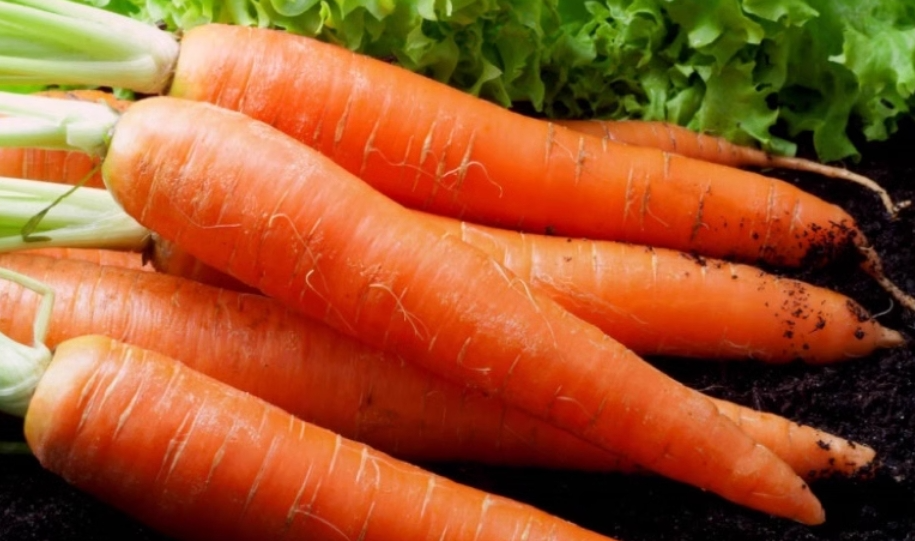
Carotene is a class of natural pigments ranging from yellow to red, commonly found in green leafy vegetables, carrots, pumpkins and other plants. As a precursor of vitamin A, carotene plays an important role in maintaining vision, enhancing immunity, and preventing certain cancers.
3. Chlorophyll
Chlorophyll is a key pigment for photosynthesis in plants and is mainly found in green leafy vegetables such as spinach and kale. In addition to its basic plant nutrition, chlorophyll also has anti-inflammatory, antibacterial and anti-cancer properties, helps purify the blood and promote digestion.
4. Amaranth
Amaranth is a natural red pigment derived from the leaves of the amaranth plant. This pigment is not only brightly colored, but also a kind of anti-oxidant raw material, which has potential benefits in preventing cardiovascular disease and certain cancers.

5. Curcumin
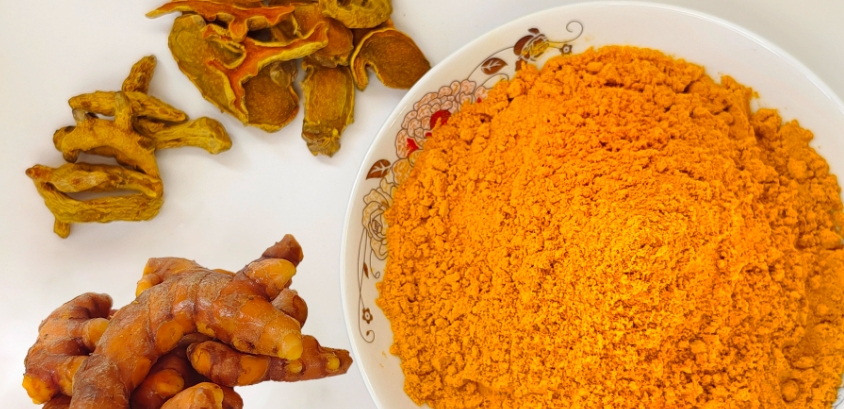
Curcumin is the main active ingredient of turmeric (Curcuma longa) and is in yellow to orange powder form. It not only adds bright colors to dishes such as curry, but also attracts attention for its powerful anti-inflammatory and antioxidant properties. Studies have shown that curcumin has significant effects in relieving arthritis, protecting brain health, and fighting cancer.
6. Indigo Naturalis
Indigo is a blue to purple natural pigment derived from natural plants and insects. It is often used for food coloring, especially beverages and candies. Indigo is not only beautiful, but also harmless to the human body and is a safe natural pigment.

7. Purple Sweet Potato Pigment (Anthocyanins)
Purple foods such as purple sweet potatoes and blueberries are rich in anthocyanins, which are powerful antioxidants. Anthocyanins not only beautify the color of food, but also prevent cardiovascular disease, improve vision, and delay aging.
8. Turmeric
Although turmeric powder is usually classified as a spice rather than a pigment, its bright yellow color and powerful health benefits make it an essential ingredient in many healthy foods. As mentioned earlier, turmeric powder is rich in curcumin, which has anti-inflammatory, antioxidant and anti-cancer effects.
9. Red Yeast Rice
Red Yeast Rice is a traditional Chinese food that gets its bright red color from natural pigments. Red Yeast Rice not only adds beautiful color to food, but is also rich in vitamins and minerals that help boost immunity and improve digestion.
10. Beetroot Red
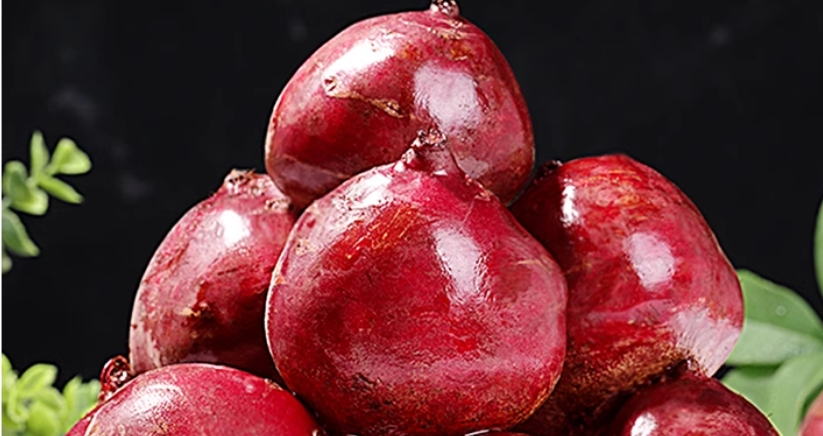
Beetroot Red is a natural pigment extracted from beetroot plants and is often used for food coloring and flavoring. This pigment is not only brightly colored, but also rich in antioxidants, vitamins and minerals, which play a positive role in preventing cardiovascular disease and boosting immunity.
The most commonly used natural pigment: Carotenoids
Among the above 10 natural pigments, carotenoids have become one of the most common pigments in daily life due to its widespread existence and rich nutritional value. Whether it is vegetable salads, juices or various processed foods, carotene plays an important role. By increasing the intake of foods rich in carotene such as carrots, spinach, and pumpkin, we can not only enjoy beautiful colors, but also enjoy the health benefits they bring.
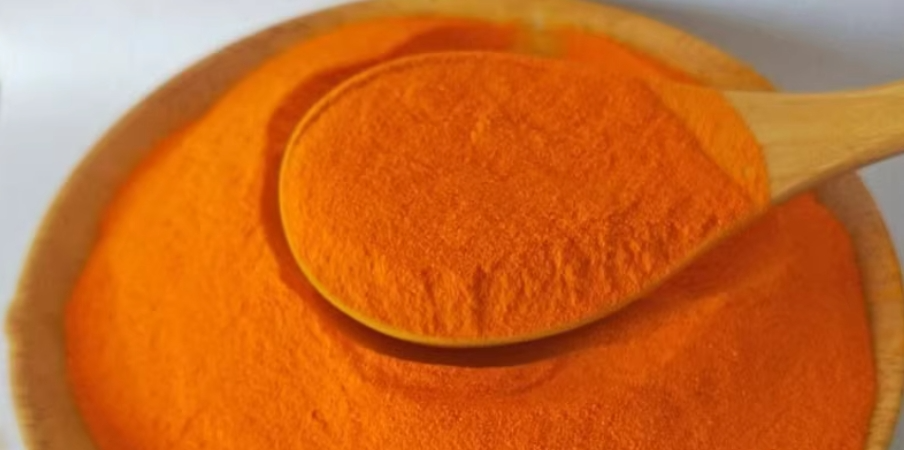
Natural colorants not only add attractive colors to food, but are also highly praised for their rich nutritional value and health benefits. From lycopene to carotene, each natural pigment has its own unique health benefits and delicious experience. Adding these foods rich in natural pigments to our daily diet can not only enhance the visual effect of food, but also add points to our health. Let us enjoy these health benefits given by nature while enjoying delicious food!