

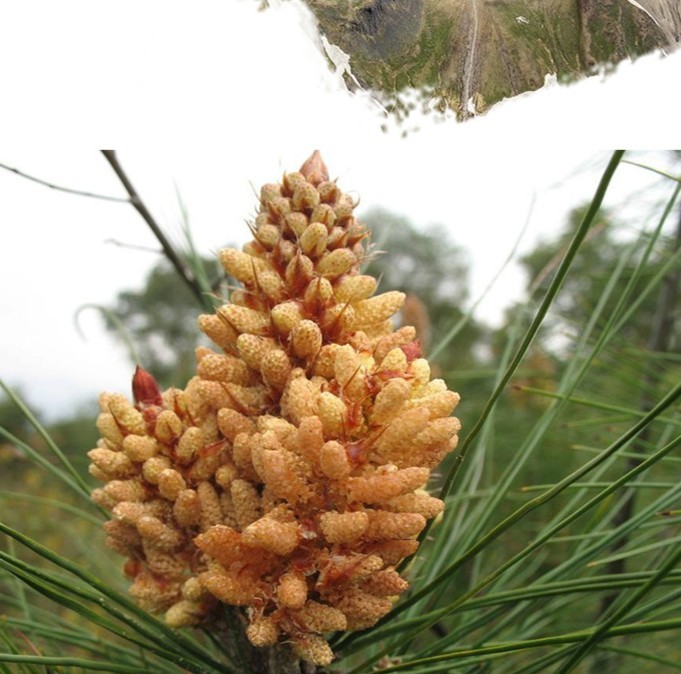
Rich and balanced nutrition
Modern research has demonstrated that pine pollen is rich in six major nutritional systems: protein, fat, vitamins, carbohydrates, trace elements and bioactive substances. Moreover, there is a remarkable balance among these nutrients, thus earning it the title of "miniature nutrient bank".
1. Protein
Pine pollen (Masson pine, oil pine) contains 9% to 16% protein, and the total amount of amino acids is approximately 7.9% to 9.4%. It contains eight kinds of "essential amino acids" that the human body cannot synthesize by itself. Amino acids can be directly absorbed by cells and are not prone to sensitization.
2. Bioactive substances
Pine pollen contains a variety of bioactive substances such as enzymes and flavonoids. At present, it has been found that it contains as many as 104 kinds of enzymes, ranking first among foods. The nucleic acid content is approximately 200mg per 100g, making it an excellent product for supplementing nucleic acid.
3. Trace elements
Pine pollen contains over 30 kinds of mineral elements, including potassium, calcium, sodium, magnesium and phosphorus, as well as more than 20 kinds of trace elements. There are 28 essential elements for the human body (among which 14 are present in extremely small amounts and are called trace elements), and pine pollen contains all 28 elements needed by the human body.
4. Carbohydrates
The total carbohydrates in pine pollen account for approximately 26% to 35%, mainly including dietary fiber, gelatin, starch, polysaccharides, etc.
More than 30% of insoluble biomass such as cellulose and lignin in pine pollen can promote intestinal peristalsis and maintain intestinal health.
5. Vitamins
Pine pollen contains vitamin A, B vitamins, vitamin C, vitamin D, vitamin E, vitamin P, as well as pantothenic acid, folic acid, niacin, niacin, choline, etc.
Vitamins are essential organic substances for maintaining human life activities. They play an extremely important role in the body's metabolism, growth, development and health, and are important active substances for maintaining human health.
6. Fat
Pine pollen contains lipid substances such as lecithin, lysophosphatidylcholine and phosphatidylcholine. The abundant phospholipids in it can regulate the metabolism of fats, proteins and carbohydrates, protect the liver, and the lecithin in it can promote brain development and enhance memory.
The fatty acid content in pine pollen is three times the average value of bee pollen reported in Japan. Unsaturated fatty acids that are beneficial to the cardiovascular system account for approximately 72.5% of the total fatty acids.
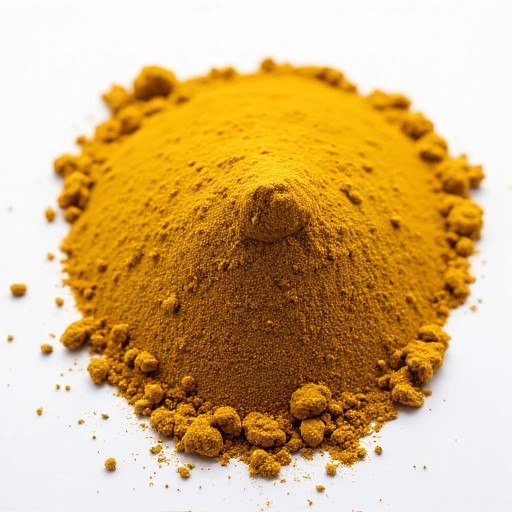
Enhance human immunity
The various nutrients in pine pollen, such as proteins, amino acids, minerals, enzymes and coenzymes, nucleic acids, polysaccharides, etc., all have the function of enhancing human immunity. These together constitute the functional basis for pine pollen to enhance immunity:
1. Amino Acids
In a sub-healthy state of the body, amino acids will be redistributed for the synthesis of immunoglobulins and other important compounds with immune functions.
A deficiency in the supply of any amino acid will affect the normal functioning of the immune system and other systems.
2. Polysaccharide
Polysaccharides from pine pollen can activate the phagocytic function of macrophages and enhance the body's disease resistance.
3. Vitamin A
It can stimulate the immune system, enhance humoral and cellular immune functions, and prevent the binding and damage of genes by carcinogens.
4. Selenium
It has an enhancing effect on all three immune defense systems included in the body's immune system (cellular immunity, humoral immunity, and non-specific immunity).
Other functions
1. Anti-fatigue effect
Through anti-fatigue experiments, it was proved that pine pollen could significantly prolong the weight-bearing swimming time of mice, reduce the concentration of lactic acid in the blood and the increase of glycogen content in liver cells of mice after exercise, and reduce the content of serum urea nitrogen after exercise. The results indicated that pine pollen had a significant anti-fatigue effect.
2. Anti-aging And Anti-wrinkle Raw Materials
Pine pollen can significantly increase the activities of superoxide dismutase (SOD), catalase (CAT), and glutathione peroxidase (GSH.Per) in the serum of aging mice, reduce the content of MDA in brain tissue and Lf in brain tissue and liver, increase the mass of thymus and spleen, improve the phagocytic function of the reticuloendothelial system, and has an anti-aging effect.
3. Protect the liver
Pine pollen has a significant protective effect on acute alcoholic liver injury. Its mechanism of action may be related to the fact that pine pollen is rich in antioxidant substances, which can reduce lipid peroxidation damage to the liver caused by alcohol, enhance the metabolism of fatty acids in liver cells, and reduce the deposition of fat in liver cells.
Method of consumption
1. Pine wine
Everyone can make pine pollen into pine flower wine and take it. Pine pollen wine can be made by mixing 100 grams of pine pollen and 2 jin of white spirit. Then, tie it tightly in a silk bag and seal it. Seal it and let it soak for ten days. It also needs to nourish the liver. Take 10 milliliters after each meal and it can be taken for a long time.
2. Take it directly by dissolving in water
Pine pollen can be taken directly by dissolving in water. When having breakfast, we can use hot milk, honey water, boiling water, etc. to take an appropriate amount of pine pollen, dissolve it and eat it directly. It is not only simple and convenient, but also retains its nutrients.
3. Pine flower pancakes
People can also make pine pollen into pine flower cakes to eat. The specific method is to take an appropriate amount of pine pollen, mix it with flour or rice flour, and then add an appropriate amount of white granulated sugar for seasoning. Shape it into a pancake, steam it until cooked and it's ready to eat.