

Ultrafine grinding generally refers to the process of grinding material particles larger than 3mm to 10~25μm or less. Due to the radial miniaturization of the particles, the surface area and porosity of the material will increase greatly, so ultrafine powder has unique physical and chemical properties.
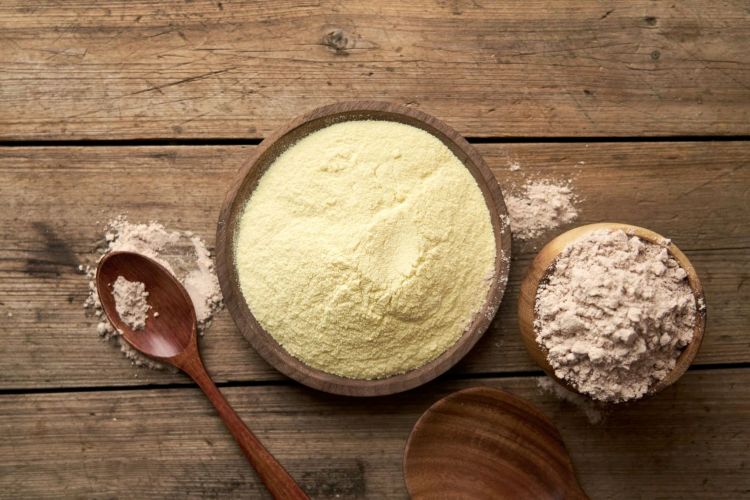
At present, micronization technology is divided into chemical method and mechanical method. Chemical pulverization method can produce micron, submicron and even nanometer powder, but the output is low, the processing cost is high and the application range is narrow. At present, mechanical pulverization is mainly used in food processing. Mechanical pulverization method has low cost and high output. It is the main means of preparing ultrafine powder and has been widely used in industrial production. According to the force of particles in the pulverization process, the movement form of the machine, and the different principles, there are several forms such as air flow type, high-frequency vibration type, rotating ball (rod) mill type, hammer type and self-grinding type. At present, the main ones used in food processing are supersonic ultrafine pulverization in air flow type, which is referred to as air flow pulverization.
Air flow pulverization is to use air or other gases to generate high-speed turbulence through a certain pressure jet. The material particles are suspended and transported under the action of high-energy air flow, and violent impact, collision and friction occur between each other. In addition, the shear impact of high-speed jet air flow on the particles makes the material particles fully ground and crushed into ultrafine particles, and evenly mixed at the same time. The finished particle size of the pulverized particles is usually less than 5μm. Compared with general mechanical impact ultrafine pulverizers, air flow pulverizers can pulverize products very finely with a narrower particle size distribution range. Because the expansion of the gas nozzle can reduce the temperature, no heat is generated during the pulverization process, so the temperature rise during the pulverization process is very low. This feature is particularly important for low melting point and heat-sensitive materials.
Many edible animals, plants, microorganisms and other raw materials can be processed into ultrafine powders by ultrafine pulverization equipment, and even the inedible parts of animals and plants can be further processed by ultrafine pulverization and absorbed by the human body. Micronized food has strong surface adsorption and affinity. Therefore, it can be used as food additives with good solid flavor, dispersibility and solubility, and is particularly easy to absorb and digest.
At present, the main applications of ultrafine grinding food are:
1. Extracting tea leaves by brewing and drinking
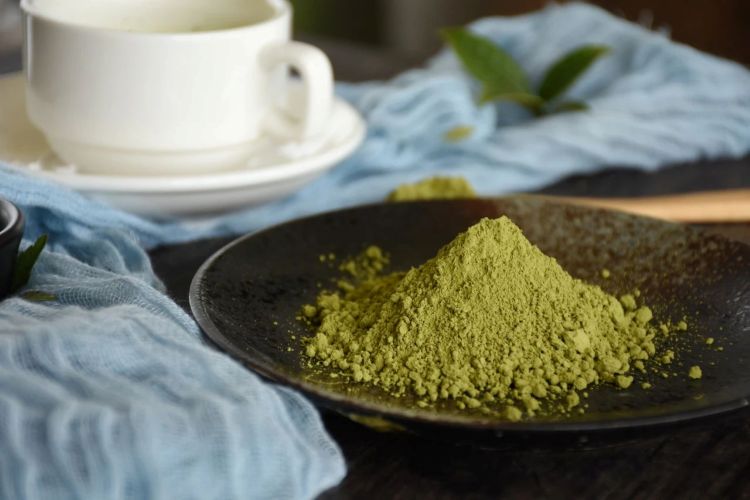
The soft drinks developed by airflow micro-grinding technology include tea powder. The traditional way of drinking tea is to brew tea leaves with boiling water. However, the human body does not completely absorb all the nutrients of tea leaves. Some insoluble or difficult-to-dissolve ingredients, such as vitamins A, K, E and most proteins, carbohydrates, carotene and some minerals, are retained in the tea residues, which greatly affects the nutritional and health functions of tea leaves. If tea leaves are made into powdered tea at room temperature and in a dry state, and the particle size of the powder is less than 5μm, all the nutrients of tea leaves can be easily absorbed directly by the human stomach and intestines, and can be brewed and drunk immediately.
2. Ultrafine grinding of fruit and vegetable powder, seasoning powder
Application in fruit and vegetable processing, for fruit cores and peels, they can be transformed into food after ultrafine grinding. At low temperature, vegetables can be ground into micro-paste powder by using ultrafine grinding technology, which will not cause nutrient loss, and the fiber will become finer and soluble in water, which increases the taste. Micronized potatoes, when the particle size of potato powder is 4.5μm, after 30 days, 84% of the starch is degraded by microorganisms, and the degradation performance is significantly changed. Ultrafinely ground pumpkin powder (particle size below 10μm) has good solubility and dispersibility, is easy to gelatinize, and is easily absorbed and utilized by the human body.
Application of ultrafine grinding technology in the process of seasoning processing can promote the huge porosity of micro-powder food to become a collection of pores, so as to achieve the purpose of consolidating the fragrance for a long time. This is why the ultrafine powder used in daily seasonings has a stronger taste.
3. Processing of livestock and poultry products and aquatic products
Fresh bone meal (mud) Various livestock and poultry fresh bones are rich in protein and phospholipids, which can promote the development of children's brain nerves and have the effect of strengthening the brain and increasing intelligence. The collagen and chondroitin in them have the effect of moisturizing the skin and delaying aging. In addition, fresh bones are rich in calcium, iron, VA, VB1, VB2 and other nutrients. People generally boil fresh bones and eat them, but the nutrients are not fully utilized, resulting in a waste of resources. If the fresh bones are multi-stage crushed and processed into ultra-fine bone mud or dehydrated into bone meal by airflow ultra-fine grinding technology, more than 95% of the nutrients can be maintained and the absorption rate can be improved. Bone marrow powder (mud) can also be used as an additive to make a series of high-calcium and high-iron bone meal (mud) foods, which have unique health functions and are known as "functional foods of the 21st century". Ultrafine grinding technology has changed the long-standing tradition of people using fresh bones by making soup for a long time, making the development of fresh bones possible.
Ultrafine grinding also has a very high application prospect in aquatic products. The main components of pearl powder include calcium carbonate, various amino acids and trace elements. These components give pearl powder a variety of pharmacological effects, such as anti-aging, enhancing immune function, improving body endurance, etc. Ultrafine grinding technology processes natural pearls into micron or even nanometer-level powder. This technology not only retains the various nutrients in pearls, but also greatly improves their bioavailability, making pearl powder easier for the human body to absorb.
4. Application in chocolate production
The reason why chocolate is so popular is mainly because of its delicate and smooth taste, and this taste must ensure that the particle size of the ingredients is less than 25um. Therefore, the ultrafine grinding technology is used in chocolate production to reduce the particle size of the ingredients to further ensure the taste of the product. For the food processing industry, in order to meet the growing market demand, meet people's picky taste, further improve material utilization, and achieve economic benefits. Ultrafine grinding technology is applied in the processing process to increase the taste, enrich the product structure, and develop more green, healthy, environmentally friendly, and convenient foods, promote the sustainable development of the food processing industry, and further improve people's quality of life.