

Vitamin B
When it comes to vitamin B, people may wonder why vitamins A, C, E, and K are all isolated. But vitamin B is a family with more than 12 types, all of which are water-soluble and widely found in bran, rice bran, animal offal, whole grains, vegetables, and fruits.
The essence of vitamin B is a coenzyme, which participates in the metabolism of carbohydrates, proteins, and fats in the body and is the key to releasing energy elements from food. It is also the most lacking vitamin on average for people around the world.
If we regard the B vitamins as a football team, then each type of vitamin B is like a player. To play a good game, there must be a complete team on the field, and each player must perform his or her duties and fight together. If there are not enough players or only a few players on the field, the game will definitely not be good. The same is true for supplementing B vitamins.
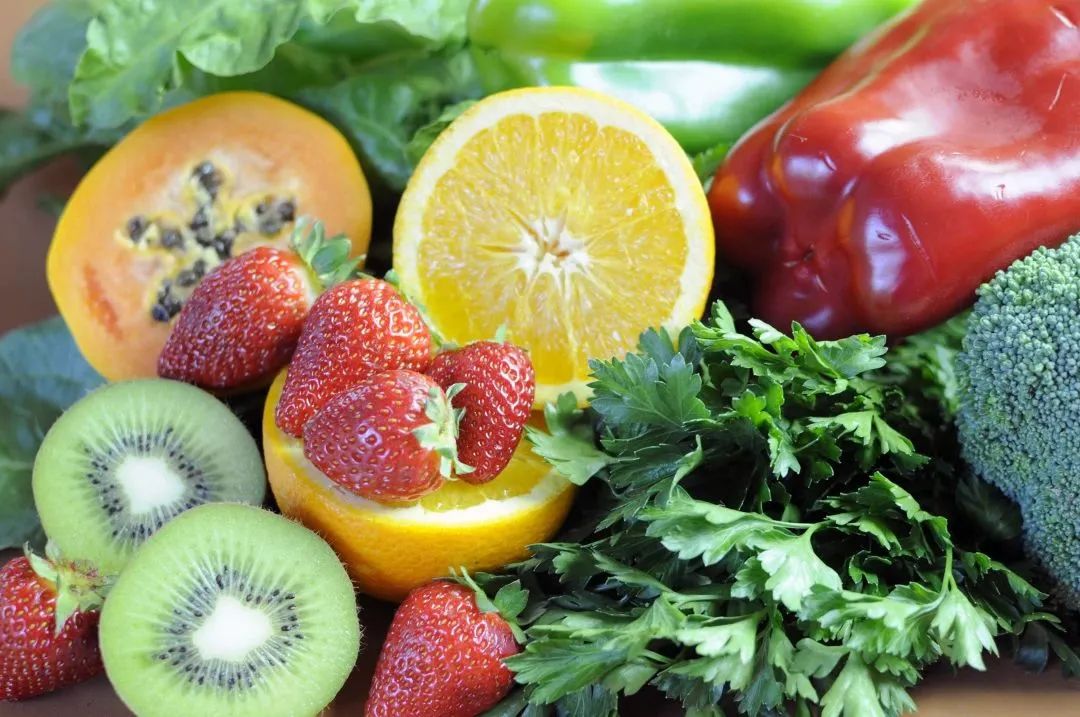
The functions of B vitamins are complementary. Taking any one or several of them alone will only increase the need for other unsupplemented B vitamins, causing physical abnormalities due to the lack of the insufficient intake, which will backfire. B vitamins are a large family, and these family members must play a role at the same time. This phenomenon is called the B vitamin symbiosis phenomenon.
The same is true in skin care. At present, the widespread use of vitamin B and the cooperation between the B brothers are worth exploring. There is a saying, "Use the right vitamin B to keep you away from skin diseases", which shows that vitamin B plays an important role in the status of nutrients needed by the human body! The main vitamin B ingredients currently used in cosmetics are as follows:
Vitamin B1
Also known as thiamine, it is an important component of cocarboxylase in sugar metabolism. It mainly maintains the normal metabolism of carbohydrates, can increase appetite, and maintain normal nerve activity. In clinical practice, B1 is often used for neurodermatitis, herpes zoster neuralgia, and skin itching in the elderly, and the effect is remarkable.
Application suggestions: It is used in cosmetics materials, mostly in the form of hydrochloride, has anti-glycation effect, and is used as a general skin conditioner in cosmetics.
Vitamin B2
Also known as riboflavin, it is a coenzyme component of flavonoids and participates in biological oxidation and energy generation in the body. It participates in the redox reaction and energy generation in the body, participates in the process of converting tryptophan into niacin and vitamin B2 into pyridoxal phosphate, participates in the body's antioxidant defense system, improves the body's ability to adapt to environmental stress, and reduces ultraviolet-induced keratinocyte damage. Lack of B2 can cause inflammatory damage to the skin and mucous membranes, manifested as perioral inflammation, conjunctivitis, scrotitis, etc. In clinical practice, it is used to treat solar dermatitis.
Application suggestions: It is often used as a skin conditioner in cosmetics to play anti-oxidant raw materials.
Vitamin B3
Also known as niacin, this is very familiar to everyone. Its derivative, niacinamide, also known as nicotinamide, is commonly used in cosmetics.
① Niacinamide can reduce the melanin that has been generated and precipitated, and block its transfer to the surface cells;
② Niacinamide can also greatly reduce skin problems such as wrinkles and enlarged pores caused by aging or external damage, reduce the damage of free radicals to the skin, and play a role in preventing aging, repairing the skin and reducing facial dullness.
③ In addition, niacinamide also has the effects of promoting blood circulation in hair follicles, maintaining skin moisture content, and anti-glycation.
Application suggestions: In cosmetics, niacinamide has moisturizing, anti-oxidation, anti-sugar, whitening, firming and other effects. There are countless brands of products that use it. DSM found in its research that niacinamide and yeast lysate filtrate have a synergistic effect. Even if the added amount of niacinamide is only 2%-3%, its 7-day whitening effect is still better than the control group with 5% added.
Vitamin B5
Also known as pantothenic acid, it is called pantothenic acid because it is widely distributed in animals and plants and is acidic in nature. Pantothenic acid is closely related to the nutritional status of hair and skin. It has good moisturizing effect, can enhance the normal skin hydration function; rebuild the skin barrier function; has a calming and soothing effect; has a good inhibitory effect on acne and enlarged pores.
Pantothenic acid is relatively stable in neutral solution, but it is easily destroyed by acid, alkali and long-term dry heat. Therefore, pantothenic acid often exists as calcium salt - calcium pantothenate. In cosmetics, pantothenic acid derivative panthenol (formerly B5) is more stable.
Application suggestions: Panthenol has an all-around effect, including moisturizing, soothing, promoting keratin formation, strengthening the barrier, improving hair toughness, etc. Consumers are also mature in their understanding of this ingredient. The only drawback is that when added in high amounts, the skin feels sticky and heavy. It is recommended to add a high amount of panthenol to cream products for dry and sensitive skin. You can try an oil-in-water system to reduce the feeling of heavy spreading and stickiness after use, and the touch will be much better.
Vitamin B6
Also known as pyridoxine, it can regulate the secretion of oil glands and prevent various dermatitis, and at the same time reduce the production of dark yellow pigment. This ingredient is a water-soluble substance, which is an indispensable ingredient for the human body and can be used for oil conditioning. It is somewhat similar to niacinamide in function.
In terms of application, it is often used as an auxiliary treatment for acne and seborrheic dermatitis in clinical practice. It is more common in shampoo products for external use, which can prevent and alleviate seborrheic dermatitis.
Vitamin B7
Also known as biotin (biotin), vitamin H, it is widely present in animals and plants in nature, especially in animal liver, kidney, yeast and egg yolk. Biotin is an auxiliary factor of carboxylation, decarboxylation and dehydrogenation reaction enzyme system, and is an important substance involved in the three major metabolisms of the body.
Biotin is widely used and can be used to treat anemia, hair loss, vomiting, glossitis, depression, muscle pain and other symptoms caused by biotin deficiency in the human body. It is often used in clinical treatment of skin diseases such as eczema, contact dermatitis, abnormal acne, etc.
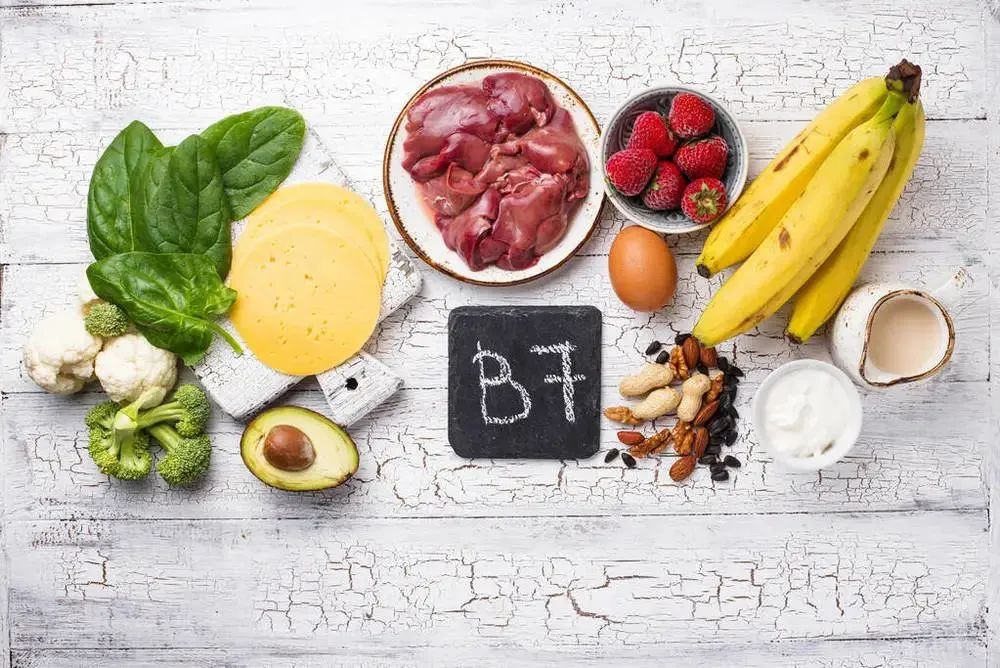
Due to the unique functions of biotin, it is also widely used in food. In skin care products, it is mainly used as a skin penetrant to control oil.
Vitamin B9
Also known as folic acid, it is composed of pteroic acid and glutamic acid and exists in green fruits and vegetables, citrus fruits, yeast, liver, etc. Folic acid is an indispensable substance for the production of red blood cells, which can help protein metabolism and is a very important auxiliary ingredient.
When applied externally, folic acid can activate skin epidermal cells, promote the maintenance of moisture and the absorption of nutrients, and reduce the aging rate of the skin, thereby achieving the purpose of beauty and skin tenderization; adding folic acid to hair cream is beneficial to hair growth and thickens the hair diameter.
Application suggestions: It can be used as a moisturizer and anti-hair loss effect in cosmetics. Since a lack of folic acid can lead to poor development of newborns, it is an ingredient that pregnant mothers and infants need to take very much. It is a hot application ingredient for sensitive skin, pregnant mothers and infant brands on the market!
Vitamin B12
Also known as cyanocobalamin, it is a general term for a class of vitamin active substances similar to cyanocobalamin. It is the largest and most complex vitamin molecule discovered so far and the only water-soluble vitamin with metal ions and color. It is one of the essential vitamins for the human body.
With the excavation of the skin care efficacy mechanism of vitamin B12 and the supplementation and improvement of human data, B12 has become a hot ingredient in recent years after VB3/B5.
Vitamin B12 has the following main effects in skin care:
1 It can inhibit 60-70% of interleukin-6 synthesis and regulate lymphocyte function by enhancing the activity of regulatory T cells, effectively inhibiting the generation of inflammatory factors. Thus reducing acne marks and inflammatory reactions.
2 It can effectively remove nitrogen oxides (NO) and promote the removal of free radicals. NO is considered to be the cause of atopic eczema and psoriasis. When using 0.07% VB12, it has a significant alleviating effect on atopic dermatitis, effectively responds to skin sensitivity, eczema problems, and repairs the skin barrier.
3 It can regulate the epigenetic regulatory factors (miRNA) of primary cell keratinocytes, fade fine lines and wrinkles, and play an important role in accelerating cell recovery and regeneration.
4 It reduces the level of proinflammatory factor IL-1β after UV-B stress, enhances resistance to ultraviolet rays, and thus beautifies the skin.
Ingredient application suggestions:
② It is soluble in water and is most stable under weak acid conditions of pH 4.5-5.0. It decomposes in strong acid and alkaline solutions and will be destroyed by heat and strong light;
③ It is recommended to use a chelating agent during application. After low temperature, glycine or sodium gluconate can be added to improve its stability;
④ In terms of dosage form, it can be considered to use water-oil two-phase, and use the upper oil phase to isolate the air to protect its activity; the essence system is preferably a single-disposable or vacuum bottle with less air contact.