

Origin and basic characteristics of milk thistle
Milk thistle, also known as St. Mary's thistle, milk thistle grass, etc., belongs to the Asteraceae family. It is native to southern Europe, western Asia and North Africa, and has been widely introduced to all parts of the world. Milk thistle is an annual or biennial herb that can reach a height of 1-2 meters; its stem is upright, the leaves are pinnately divided, the edges are thorny, and the leaves are also spotted with white or light yellow. These characteristics make it highly recognizable among many plants.
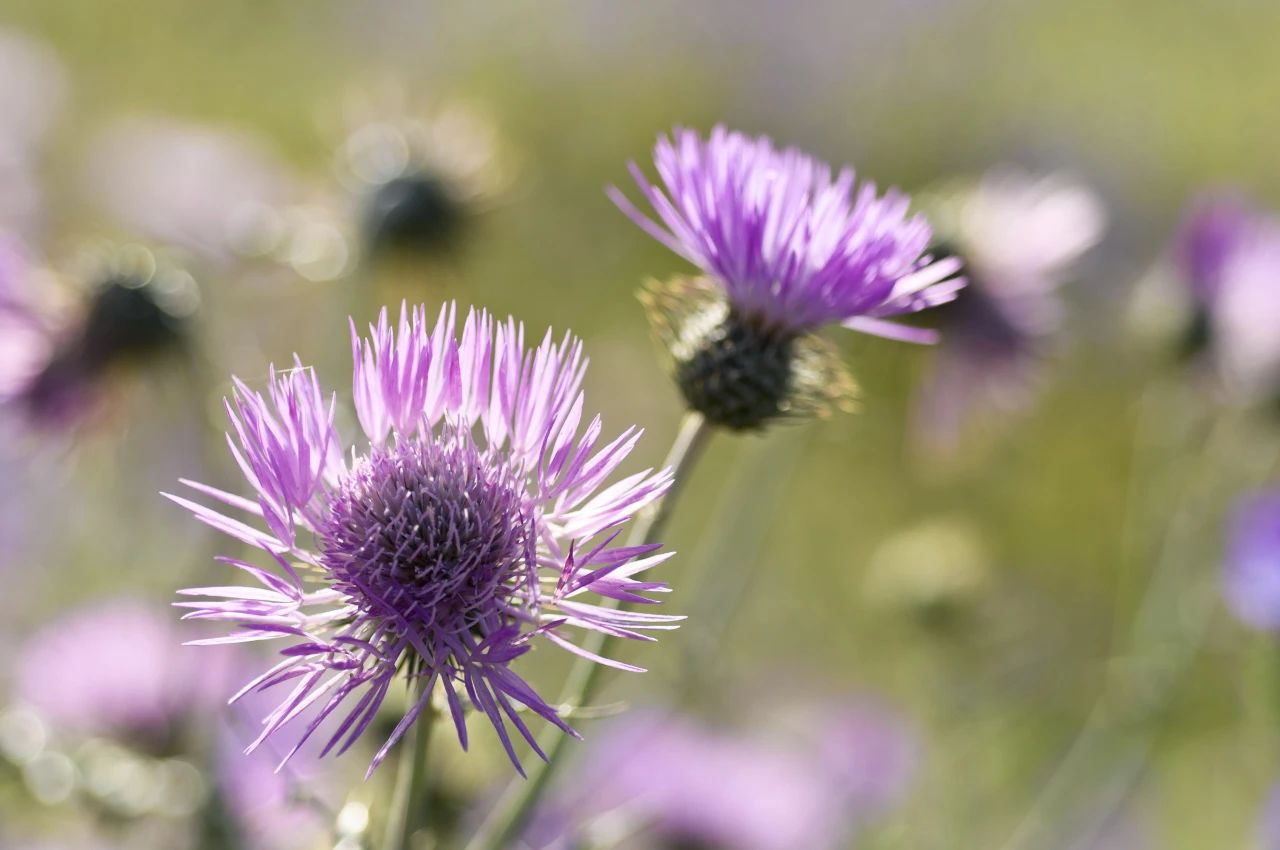
The flowers of milk thistle are purple-red or pink, usually blooming in summer, with large and beautiful flowers, and have certain ornamental value; however, it is not its appearance that attracts the most attention, but its rich nutrients and medicinal value. The seeds of milk thistle contain a variety of active ingredients, such as silymarin, fatty oil, protein, etc. Among them, silymarin is the key ingredient for its liver protection.

Protective effect of milk thistle on the liver
Antioxidant effect
The liver is the largest detoxification organ in the human body and processes a large amount of toxins and metabolic waste every day. In this process, liver cells are vulnerable to free radical attacks, leading to cell damage. Silymarin is a powerful anti-oxidant raw material that can neutralize free radicals and reduce the oxidative damage to liver cells caused by free radicals, thereby maintaining the integrity and normal function of liver cells. Studies have shown that the antioxidant capacity of silymarin even exceeds that of common antioxidants vitamin E and vitamin C, which gives it a unique advantage in protecting the liver.
Repair liver cells
When the liver is damaged, liver cells will degenerate and necrotize. Silymarin can stimulate the regeneration of liver cells and promote the repair of damaged liver cells. It can activate stem cells in the liver and differentiate them into new liver cells, thereby replenishing the number of liver cells reduced due to damage. Silymarin can also regulate protein synthesis and metabolism in the liver, providing the necessary material basis for the repair of liver cells. For some liver damage caused by long-term drinking, drug poisoning or hepatitis, the repair effect of silymarin is particularly important, which can help the liver gradually return to a healthy state.
Anti-inflammatory effect
Liver inflammation is a common pathological feature of many liver diseases, such as fatty liver and hepatitis. Silymarin has a significant anti-inflammatory effect. It can reduce the inflammatory response of the liver by inhibiting the production and release of inflammatory factors. It can regulate the function of the immune system and reduce the attack of immune cells on the liver, thereby reducing the degree of liver inflammation. This anti-inflammatory effect helps relieve swelling and pain in the liver, delay the progression of liver disease, and create good conditions for the recovery of the liver.
Promote bile secretion
Bile is a digestive fluid secreted by the liver, which plays an important role in digesting and absorbing nutrients such as fat. Milk thistle can stimulate the liver to secrete bile and increase the flow of bile. Adequate bile secretion helps improve digestive function, reduce fat accumulation in the liver, and prevent the occurrence of fatty liver. At the same time, the smooth discharge of bile can also take away some toxins and waste in the liver, further reducing the burden on the liver and promoting liver health.
The consumption and application of milk thistle
Currently, the most common milk thistle product on the market is milk thistle extract. This plant extract is usually extracted from milk thistle seeds through advanced extraction technology to obtain high content of silymarin, and is made into capsules, tablets or liquids as a health care material. Milk thistle extract is easy to use, the dosage is easy to control, and it is suitable for long-term use. When taking milk thistle extract, you should follow the recommended dosage in the product manual.
In addition to extracts, milk thistle can also be made into tea. After drying the leaves or seeds of milk thistle, brew them with boiling water to make milk thistle tea. Milk thistle tea has a unique aroma and a light bitter taste. This bitterness mainly comes from the active ingredients in milk thistle, which has certain health benefits. Drinking 1-2 cups of milk thistle tea every day can not only help protect the liver, but also have a certain effect of refreshing the mind and promoting digestion. However, since milk thistle tea contains certain herbal ingredients, some people may have an allergic reaction to it, so you should try a small amount when you first drink it and observe your body's reaction.
Milk thistle, a natural plant, has become an indispensable "guardian" for people in their pursuit of a healthy life due to its excellent protective effect on the liver. It protects the health of the liver through multiple mechanisms such as anti-oxidation, liver cell repair, anti-inflammation and promotion of bile secretion.