

Edible and medicinal fungi: Cordyceps militaris
Chinese Herb Extracts Cordyceps militaris belongs to the Cordycepsaceae family of the Hypocreales order of the Ascomycetes. It is an edible and medicinal fungus that has a long history in my country and parasitizes insects. It is also called northern cordyceps and northern cordyceps. It is a complex composed of two parts: the stroma (i.e. the grass part) and the sclerotium (i.e. the dead body part of the insect).
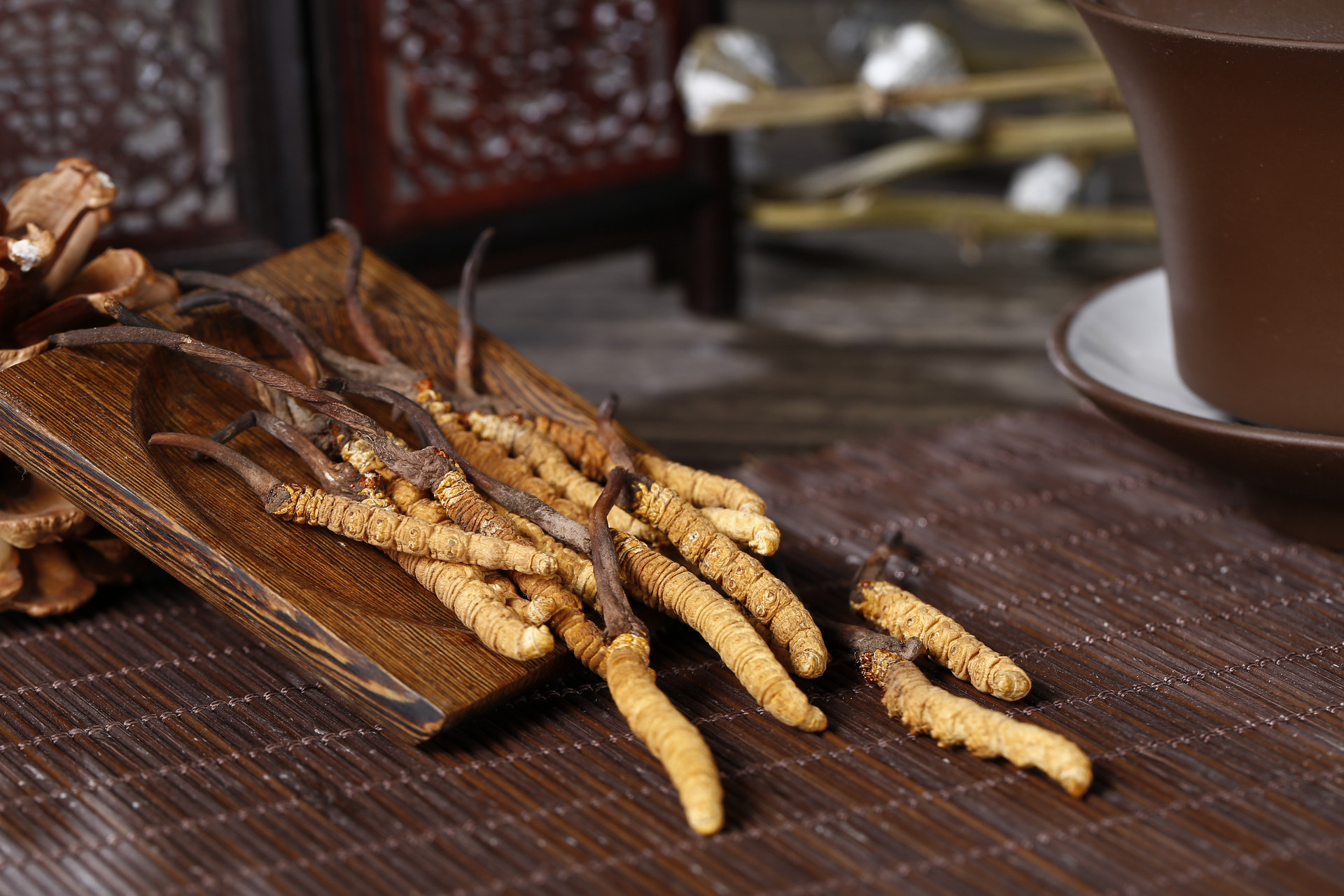
Plant extract Cordyceps militaris is rich in a variety of bioactive ingredients, such as cordycepin (3'-deoxyadenosine), ergosterol, carotenoids, etc., and has significant pharmacological value. In response to the reduction of wild resources, China's industrial sector has carried out large-scale fermentation and breeding. At present, 88 health foods based on this medicinal fungus have been approved in the Chinese market. Cordyceps militaris mycelium health products (powder and capsule form) have been partially commercialized, claiming to promote kidney and lung health, effectively treat symptoms such as cough, asthma, and sputum, and help improve health problems such as cold limbs, fatigue, dizziness, and tinnitus. As early as 2009, Cordyceps militaris was approved as a new food ingredient in China, with the scope of use being direct consumption, alcohol, canned food, condiments, and beverages, with an intake of ≤2 grams/day. Since then, the intake, quality index requirements, and consumption range of Cordyceps militaris have been further changed in Announcement No. 10 of 2014.
More effects of cordycepin
Herbal extract Cordycepin (3′-deoxyadenosine) was isolated from Cordyceps militaris in 1950. Based on in vitro and in vivo studies, this compound has been shown to have anti-diabetic, osteoporosis-improving, cardiovascular health-protecting, and immunomodulatory effects.
Anti-diabetic
Studies have found that cordycepin can effectively reduce blood glucose levels and blood glucose tolerance levels in alloxan-induced diabetic mice. Mechanistic studies have shown that cordycepin can inhibit the production of proinflammatory cytokines (such as IL-1β, IL-6, TNF-α, and NO) in macrophages, leading to downregulation of type 2 diabetes regulatory genes (11β-hydroxysteroid dehydrogenase type 1 and peroxisome proliferator-activated receptor-λ)
Improving osteoporosis
Cordycepin inhibited the differentiation of bone resorbing cells in vitro experiments [3]. Its biological activity mechanism is related to the inhibition of receptor activator of nuclear factor-κB ligand (RANKL). In addition, cordycepin inhibited the mRNA expression of genes related to the generation of bone resorbing cells (TRAP, cathepsin K, MMP-9, and NFATc1). In a mouse model of lipopolysaccharide-induced osteoporosis, cordycepin limited bone loss. In an experimental model of osteoarthritis in rats, cordycepin, as a polyadenylation inhibitor, was shown to reduce pain and inflammation in the synovium.
Protect cardiovascular health
Hyperlipidemia is caused by the accumulation of fatty acids, low-density lipoprotein cholesterol, trans fats, and triglycerides present in lipids in the human body, leading to cardiovascular diseases such as atherosclerosis and coronary heart disease. Studies have found that cordycepin can prevent intracellular lipid accumulation by activating the interaction between AMPK and the Ɣ1 subunit. In addition, due to the similar chemical structure of cordycepin and adenosine (activator of AMPK), cordycepin can effectively reduce the accumulation of low-density lipoprotein cholesterol, total cholesterol and triglycerides, and can reduce hyperlipidemia caused by a high-fat diet
Immunomodulatory effect
Cordycepin is a bidirectional regulator that has an inhibitory and influencing effect on the immune system by regulating adaptive immunity and innate immunity. It has been reported that cordycepin can stimulate the release of cytokines in resting peripheral blood mononuclear cells (PBMCs), proliferation in PBMCs and amplification of transcription factors in leukemia cells (THP-1), indicating immunomodulatory function
Market prospects of cordycepin
According to Straits Research, the global Cordyceps militaris market size was $1,004.1 million in 2023 and is expected to reach $3,489.4 million by 2032, with a compound annual growth rate of 14.9% during the forecast period. The Asia-Pacific region (mainly China) is considered the world leader in the production of cordycepin extracted from Cordyceps sinensis or Cordyceps militaris, and is expected to account for 47% of the global nutraceutical market.