The pace of modern life is getting faster and faster. In recent years, people's fatigue has continued to increase. The base of the population with sports fatigue is large, and the incidence of chronic fatigue syndrome is also gradually increasing. Therefore, timely relief of sports fatigue and attention to diet therapy and health care are of great significance to the prevention of chronic fatigue syndrome. This article reports the analysis of functional foods that relieve sports fatigue, in order to analyze the characteristics and benefits of functional food additives and improve people's quality of life.
Analysis of anti-fatigue functional foods
2.1 Vitamins
The enzyme system and non-enzyme system in the body can remove free radicals. In the enzyme system, GPX (glutathione hydrogenase) can remove lipid peroxides, SOD (superoxide dismutase) can remove peroxides and superoxide free radicals, and CAT (catalase) can remove hydrogen peroxide; the non-enzyme system includes coenzyme Q, reduced glutathione, β-carotene, vitamin C and vitamin E, etc.
The various antioxidants in the cells of the body's organs are maintained at a relatively balanced level, which produces various oxidative stresses on the body, and removes free radicals, proteins, nuclear enzymes and protective lipids and other macromolecules in time to protect the body from free radical attacks. This is an important mechanism in the human body. Therefore, supplementing the body with vitamins can effectively relieve fatigue.
Vitamins have anti-fatigue functions and are more common, mainly vitamin E, vitamin C, vitamin A and vitamin B group.
Among them, vitamin E is an antioxidant that can act on cell membranes and subcellular structure membranes to prevent free radicals from causing unsaturated fatty acid oxidation reactions in biological membranes; Vitamin C can not only provide hydrogen atoms for the body, but also help the body to remove free radicals and convert oxidized glutathione into reduced glutathione, which has the effect of reduced ascorbic acid; Vitamin A can improve the body's antioxidant status, inhibit the generation of oxygen free radicals during exercise, reduce the body's oxidative stress damage, delay the body's fatigue, and thus improve the body's athletic ability; Vitamin B1 and vitamin B2 in the B vitamins both have anti-fatigue effects. When the body is deficient in vitamin B1, a large amount of lactic acid and pyruvic acid will accumulate. Vitamin B2 in the body can participate in redox reactions and energy generation as a coenzyme in the trihydroxy acid cycle.
2.2 Amino acids
Insufficient amino acids will lead to a lack of raw materials for synthesizing antioxidants and antioxidant enzymes, which will then increase free radicals, and ultimately cause metabolic disorders or fatigue caused by a large amount of material carriers being cleared and consumed during metabolism. For example, fat oxidation is the mitochondrial oxidation of carnitine with fatty acids as carriers. Carnitine is mainly produced in the metabolism of methionine and lysine. It can promote the oxidation of amino acids in the diketoacid branch chain and remove excess fatty acyl CoA.
Urinating when tired will excrete a large amount of botulinum toxin and seriously weaken the body's ability to oxidize and utilize fatty acids, thus causing fatigue. Therefore, supplementing the human body with amino acids can effectively eliminate fatigue.
2.4 Protein
Protein is an indispensable part of functional foods and an important source of nutrition for the human body. Once protein is deficient, it will affect the physiological regulation of the body and cause fatigue.
There are many foods containing protein, such as animal proteins such as fish, shrimp, eggs, milk, poultry and livestock meat, bean plant proteins such as soybeans, soybeans, green beans and black beans, and dried fruit plant proteins such as pine nuts, sesame seeds, walnuts, melon seeds and almonds.
2.5 Chinese herbal extract
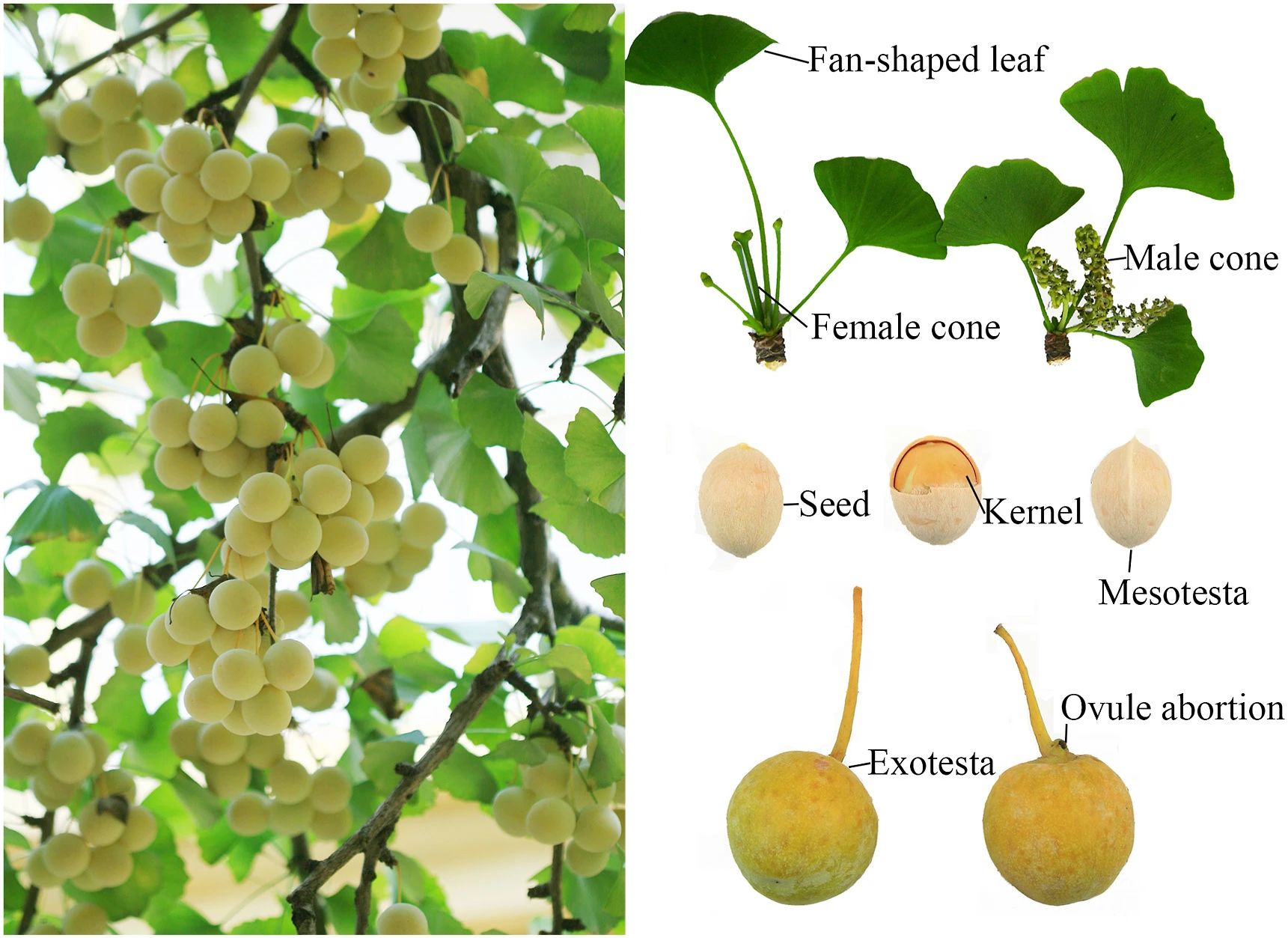
There are many anti-fatigue herbs in Chinese medicine, the most common ones are epimedium, pollen, ginkgo leaves, aloe vera, gynostemma pentaphyllum and rhodiola rosea.
Among them, epimedium contains a large amount of MDA which can increase the activity of red blood cell SOD; pollen contains amino acids, proteins, trace elements and vitamins, and its nutrients are very comprehensive; ginkgo leaves contain diterpene lactones and flavonoid glycosides, which have the effects of scavenging free radicals, enhancing hypoxia tolerance and improving heart and brain metabolism; aloe vera contains flavonoid antioxidants, multiple amino acids and vitamins, and has strong antioxidant capacity; Gynostemma pentaphyllum has a wide range of pharmacological effects, and the total saponins it contains can improve free radical metabolism and delay the occurrence of fatigue; Rhodiola rosea contains muscle glycogen, which can improve the body's hypoxia tolerance.