

What is stevia extract?
Stevia extract is a complex mixture of compounds extracted from the leaves of stevia, mainly containing four diterpenoid glycosides: stevioside, rebaudioside A, rebaudioside C and dulcoside A. These glycosides have a high sweetness and are its main active ingredients. In addition, it also contains some other minor ingredients, such as flavonoids, polyphenols, volatile oils, etc., which also have a certain effect on its stability, antioxidant, antibacterial properties, etc.
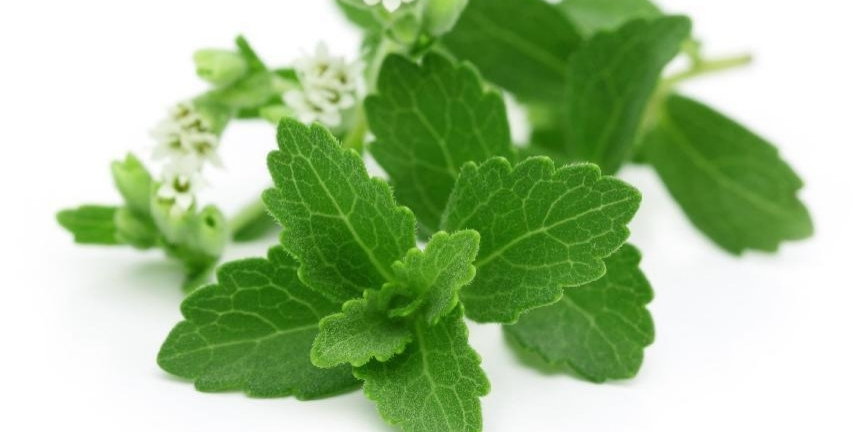
As a natural, low-calorie, high-intensity sweetener, it has a wide range of applications and development prospects in the fields of food, medicine and cosmetics. Especially in the field of food, due to people's increasing attention to health and safety, as well as the prevention and control of chronic diseases such as diabetes and obesity, it has received more and more attention and popularity as an excellent choice to replace traditional sugars and artificial sweeteners.
What are the advantages of stevia extract?
Low calories: Its calorific value is about 0.2 kcal/g, which is much lower than 4 kcal/g of sucrose. Therefore, it can effectively reduce the calorie intake of food, which is beneficial to control weight and prevent obesity.
High stability: It has good stability under acid, alkali, high temperature, light and other conditions, and is not easy to decompose or discolor, so it can be applied to various processing conditions and storage methods.
Anti-oxidant raw materials: It contains some ingredients with antioxidant effects, such as flavonoids, polyphenols, etc., which can inhibit the oxidation and deterioration of oils and fats in food and extend the shelf life of food.
Antibacterial ingredients: It contains some ingredients with antibacterial effects, such as volatile oils, which can inhibit the growth and reproduction of bacteria in food and maintain the hygiene and safety of food.
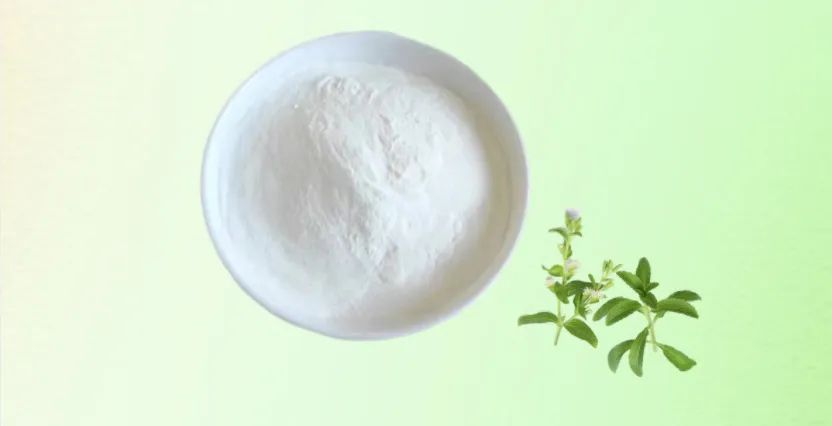
What are the applications of stevia extract?
It is mainly one of the food additives. According to different types of food, stevia extract can be used in different ways and effects. Here are some common application examples:
1. Beverages:
It can be used as a sweetener in beverages to replace or reduce the use of traditional or artificial sweeteners such as sucrose, fructose, aspartame, etc., reduce the calories and cost of beverages, while maintaining or enhancing the taste and flavor of beverages. For example, countries such as Japan and China have produced some tea drinks, juices, carbonated drinks and other products containing it, and they are popular with consumers.
2. Pastries:
It can be used as a sweetener in pastries to replace or reduce the use of traditional sweeteners such as white sugar, honey, corn syrup, etc., reduce the calories and glycemic index (GI) of pastries, while maintaining or enhancing the texture and aroma of pastries. For example, countries such as China and Brazil have produced some bread, biscuits, cakes and other products containing it, and they are popular with consumers.
3. Dairy products:
It can be used as a sweetener in dairy products to replace or reduce the use of traditional or artificial sweeteners such as lactose, maltose, and xylitol, reduce the calories and lactose content of dairy products, and maintain or enhance the nutrition and flavor of dairy products. For example, countries such as Japan and the United States have produced some milk, yogurt, ice cream and other products containing it, and they have been favored by consumers.
4. Condiments:
It can be used as a sweetener in condiments to replace or reduce the use of traditional or artificial sweeteners such as white vinegar, soy sauce, and ketchup, reduce the calories and sodium content of condiments, and maintain or enhance the color and aroma of condiments. For example, countries such as China and India have produced some vinegar, sauce, soy sauce and other products containing it, and they have been appreciated by consumers.
What problems does stevia extract face?
1. Bitterness: In addition to sweet ingredients, it also contains some bitter ingredients, such as steviolbioside, which will affect its taste and acceptance. In order to reduce bitterness, the following methods can be used:
● First, optimize the preparation process to reduce the content of bitter ingredients;
● Second, compound with other sweeteners or flavor substances to produce synergistic effects or masking effects;
● Third, use biotechnology to transform or degrade bitter ingredients.
2. Safety evaluation: It is a natural plant extract, but it may also contain some harmful substances or impurities, such as heavy metals, pesticide residues, microbial contamination, etc., which may cause harm to human health. In order to ensure safety, the following methods can be used:
● First, strengthen the quality control of raw materials and select pollution-free or low-pollution stevia planting areas;
● Second, improve the production process and use non-toxic or low-toxic extractants and purifiers;
● Third, establish strict testing standards and methods to characterize the harmful substances or impurities.
Stevia extract is a natural sweetener with broad prospects and has important application value and social significance in the food field. I hope this article can provide reference and reference for further promotion and utilization.