

Data shows that from 2015 to 2019, the average annual compound growth rate of new food and beverage products with fiber-related claims tracked worldwide was 9%.
More and more new products on the market use fiber raw materials as the main selling point of their products, and consumers' cognitive acceptance of fiber (prebiotics) is also increasing.
According to a survey, 68% of consumers said that they consume fiber to promote digestive health.
Since a considerable part of dietary fiber can also be used as a sweetener substitute, dietary fiber + "sugar reduction" provides a new direction for the development of functional sweeteners.
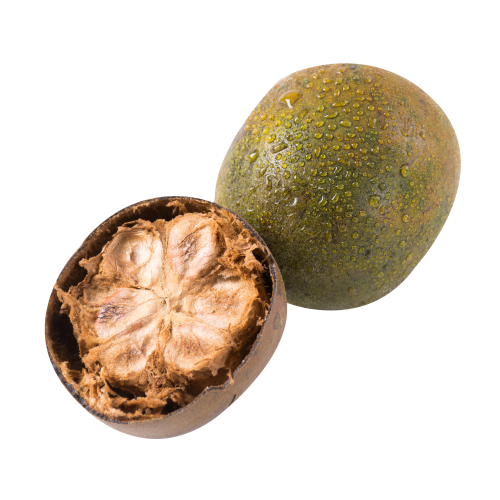
Monk Fruit Sweet Fiber
Plant extract monk fruit is a traditional Chinese food and medicine with the functions of clearing heat and detoxifying, resolving phlegm and relieving cough, clearing lungs and moistening intestines, and promoting fluid and quenching thirst.
At the same time, the natural sweetener monk fruit glycosides contained in monk fruit have strong sweetness, no calories, pure natural and good taste. In recent years, it has been widely accepted by the food and beverage industry and has become an ideal natural and healthy sugar substitute sweetener.
In the US market, the annual growth rate of monk fruit is faster than that of stevia because it has the advantages of clean label, pure natural source and good taste.
And the potential of monk fruit is far more than that. A US company has launched a functional sweet fiber from monk fruit pomace. The fiber content accounts for more than 70% of the total daily recommended dietary fiber, and the sweetness is sweeter than sugar.
According to the World Health Organization (WHO), only 3% of consumers can achieve the recommended daily fiber intake through regular diet, so there is a large demand for products to fill the nutritional gap.
As a functional fiber, the product can be used in food and beverage formulations as a sweetener and dietary supplement, while also being adaptable to different applications such as protein powders, fiber blends and powdered beverage formulations.
Stevia Fiber Sweetener
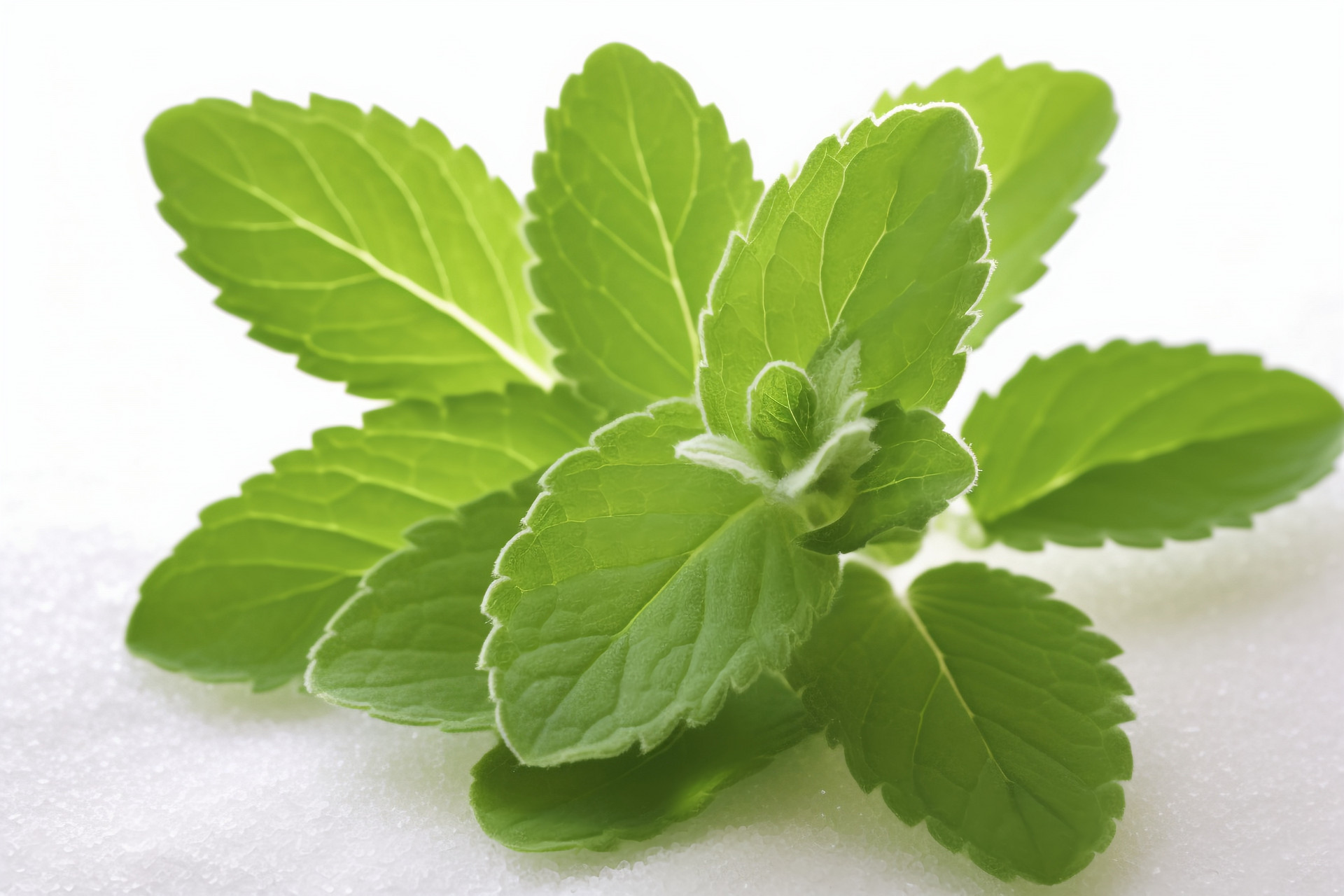
Stevioside, the main ingredient in the herbal extract stevia, is a low-calorie, high-sweetness natural sweetener that has become the main natural sweetener. Studies have also found that stevia plants also contain high levels of protein, soluble fiber and antioxidants.
Recently, PureCircle, a high-purity stevia glycoside manufacturer and supplier, announced that it will begin commercial production and sales of a new stevia sweetener. In addition to the original sweetening effect, the product will also effectively utilize other beneficial ingredients in stevia, so that it can provide a series of new functions such as antioxidants, intestinal protection, digestion promotion, and more nutrition while being a sweetener.
PureCircle CEO Maga Malsagov said when talking about the commercialization of stevia's protein, fiber and antioxidant properties: "Food and beverage companies have a great demand for protein, dietary fiber and antioxidants.
Other dietary fibers that can replace sugar
In many applications, dietary fiber can act as a low-calorie food filler, reduce fat addition, lower freezing point, and add sweetness to food.
As a low-sweetness sugar substitute, inulin can be used in milkshakes by taking advantage of its creamy properties. At the same time, its good water solubility allows inulin to be added to various soft drinks. Inulin can be used in ice cream to combine with sweeteners to play a synergistic role and cover up the bad aftertaste of some sweeteners.
Fructooligosaccharide (FOS) is a natural active substance with a sweetness of 0.3-0.6 times that of sucrose. It is a new type of sugar substitute with health functions such as regulating intestinal flora and promoting calcium absorption. At present, many FOS sugar substitute ingredients and technologies for converting sugar enzymes into FOS have appeared on the market.
Galacto-oligosaccharides have a relatively pure sweetness, low calorific value, and a sweetness of 20%-40% of sucrose. They have strong moisture retention and high thermal stability under neutral pH conditions.
Galacto-oligosaccharides will undergo Maillard reaction when heated with proteins, and can be used in the processing of bread, pastries, etc.
Galactooligosaccharide is a water-soluble dietary fiber with low viscosity, strong moisturizing properties, refreshing taste, low caloric value, and no adverse texture and flavor. It is an excellent nutrient source and effective proliferation factor for beneficial bacteria such as bifidobacteria and lactobacillus acidophilus in the human intestine, and can improve the digestion and absorption function of the human intestine.
Using galacto-oligosaccharide, food manufacturers can adjust the sugar, fiber and lactose content in dairy products to meet different nutritional requirements.